
Annapurna Circuit Trek
Adventure starts in Kathmandu to Adventure ends in Kathmandu

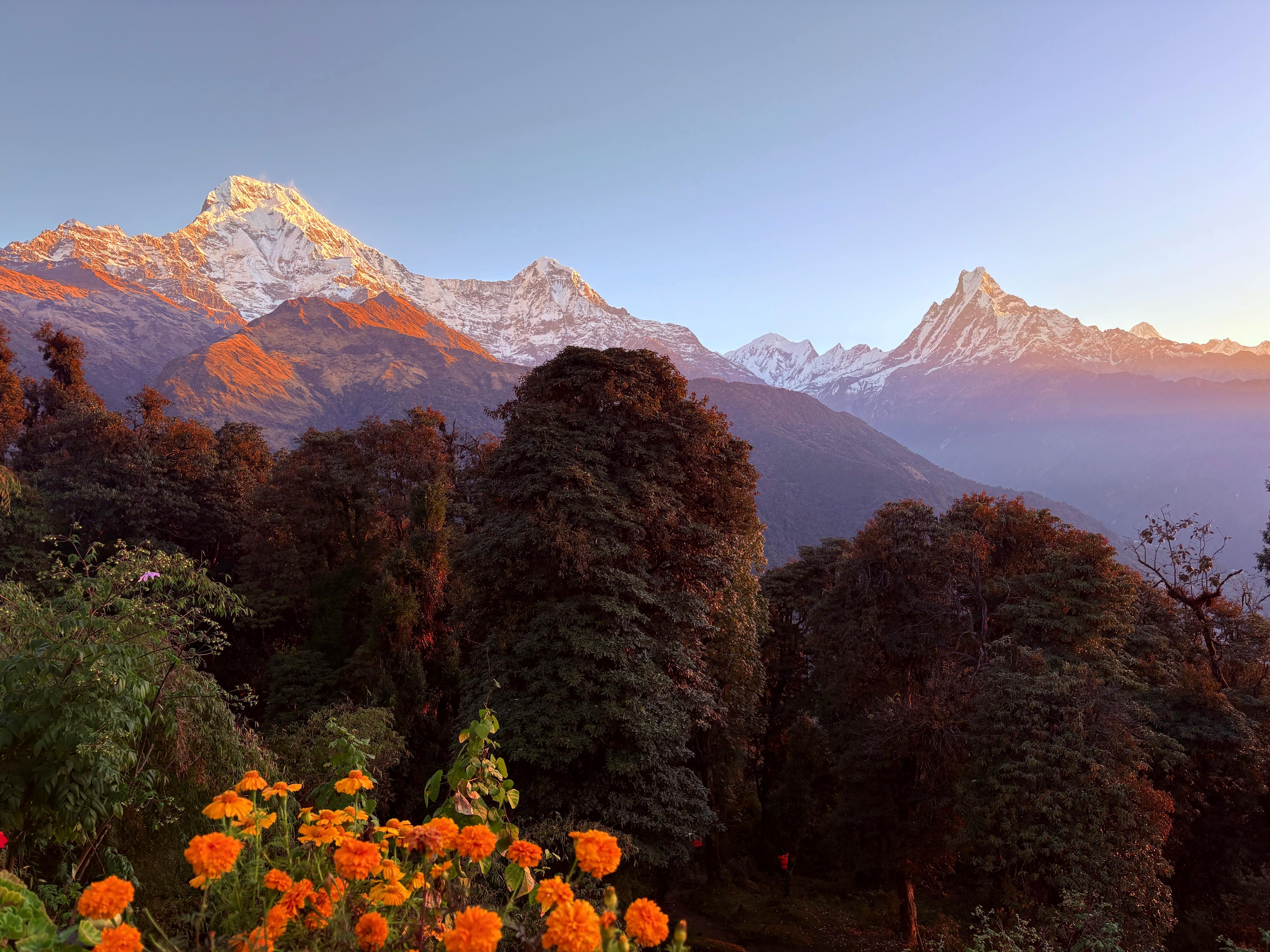
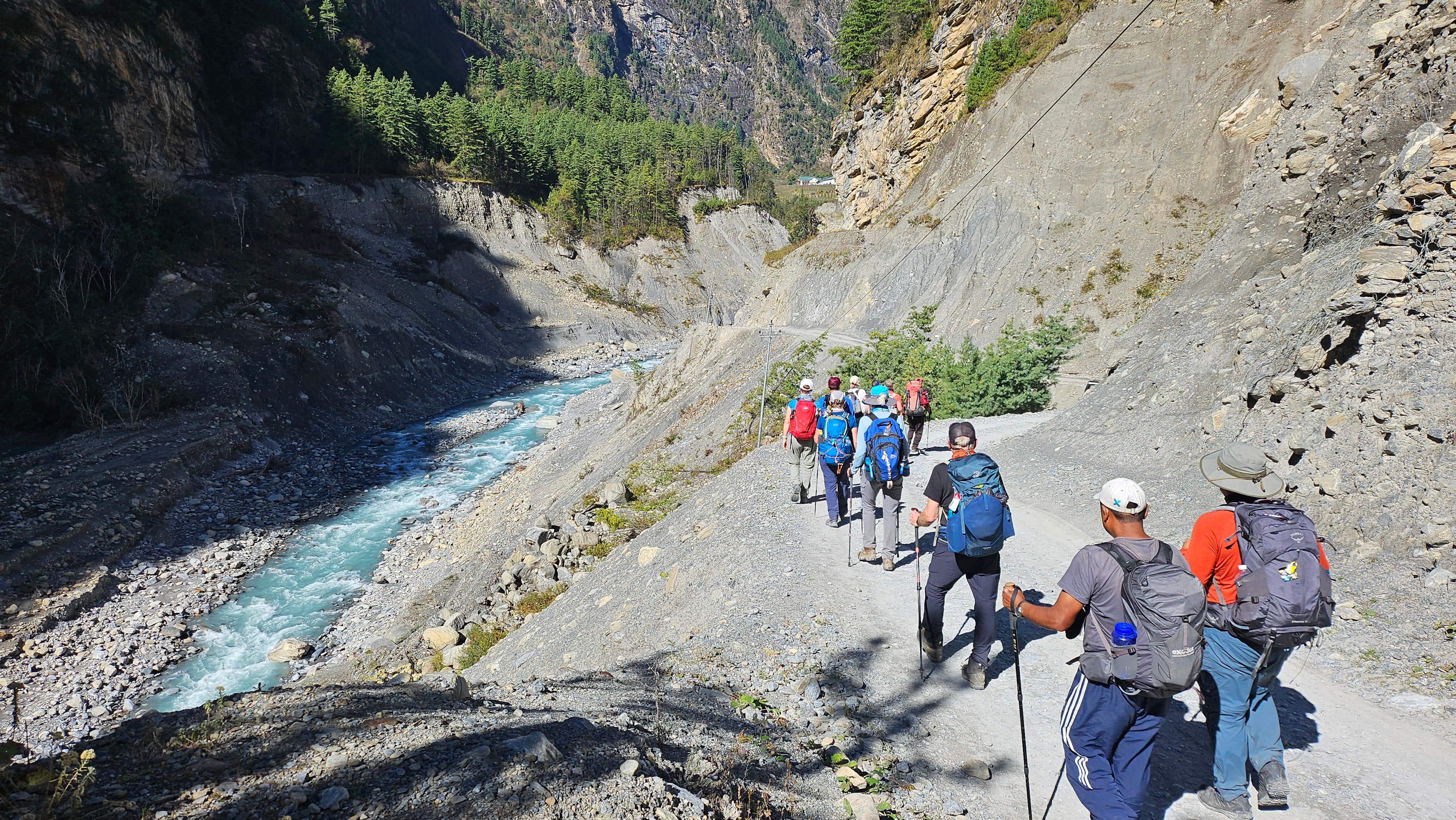
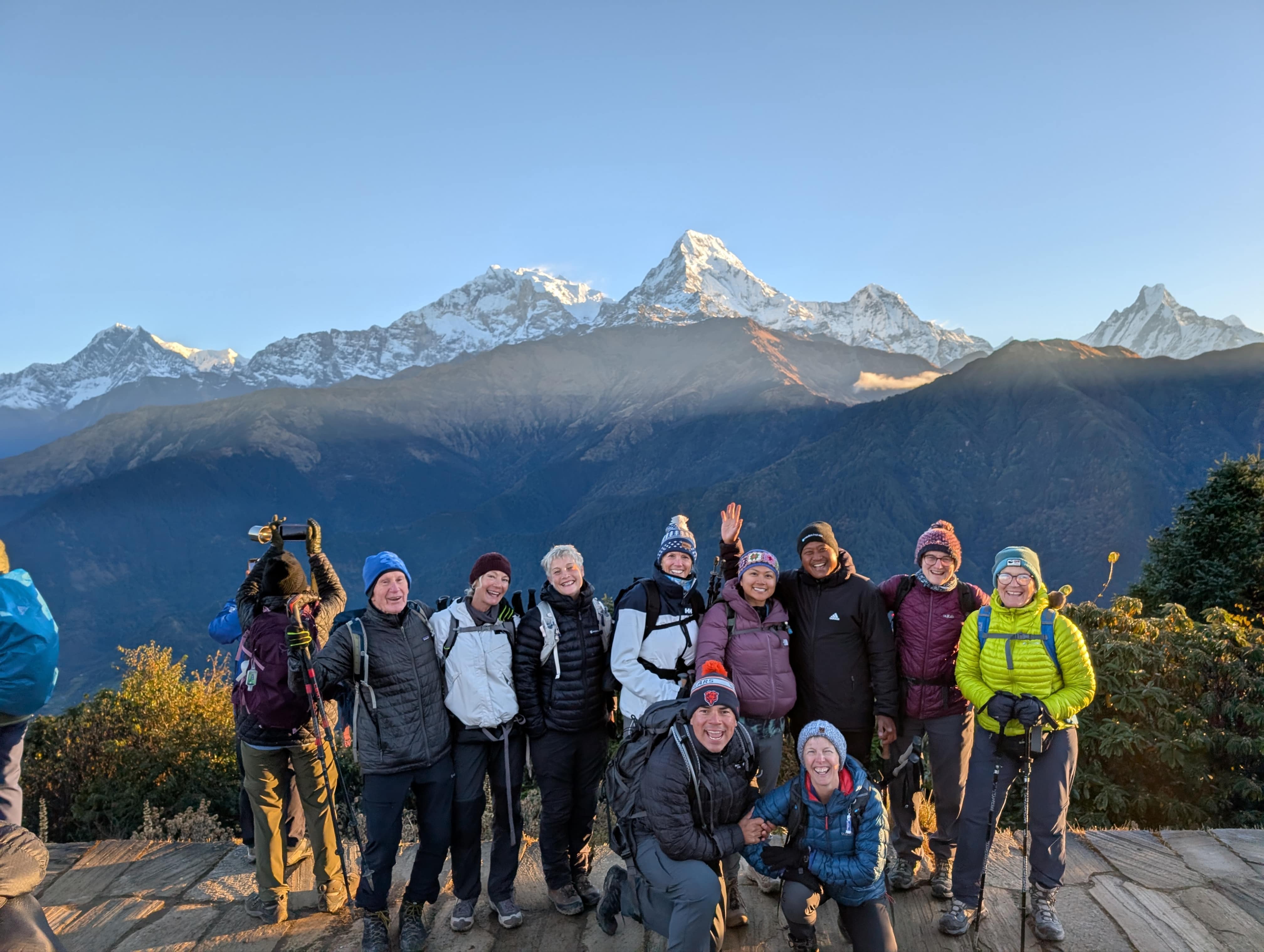
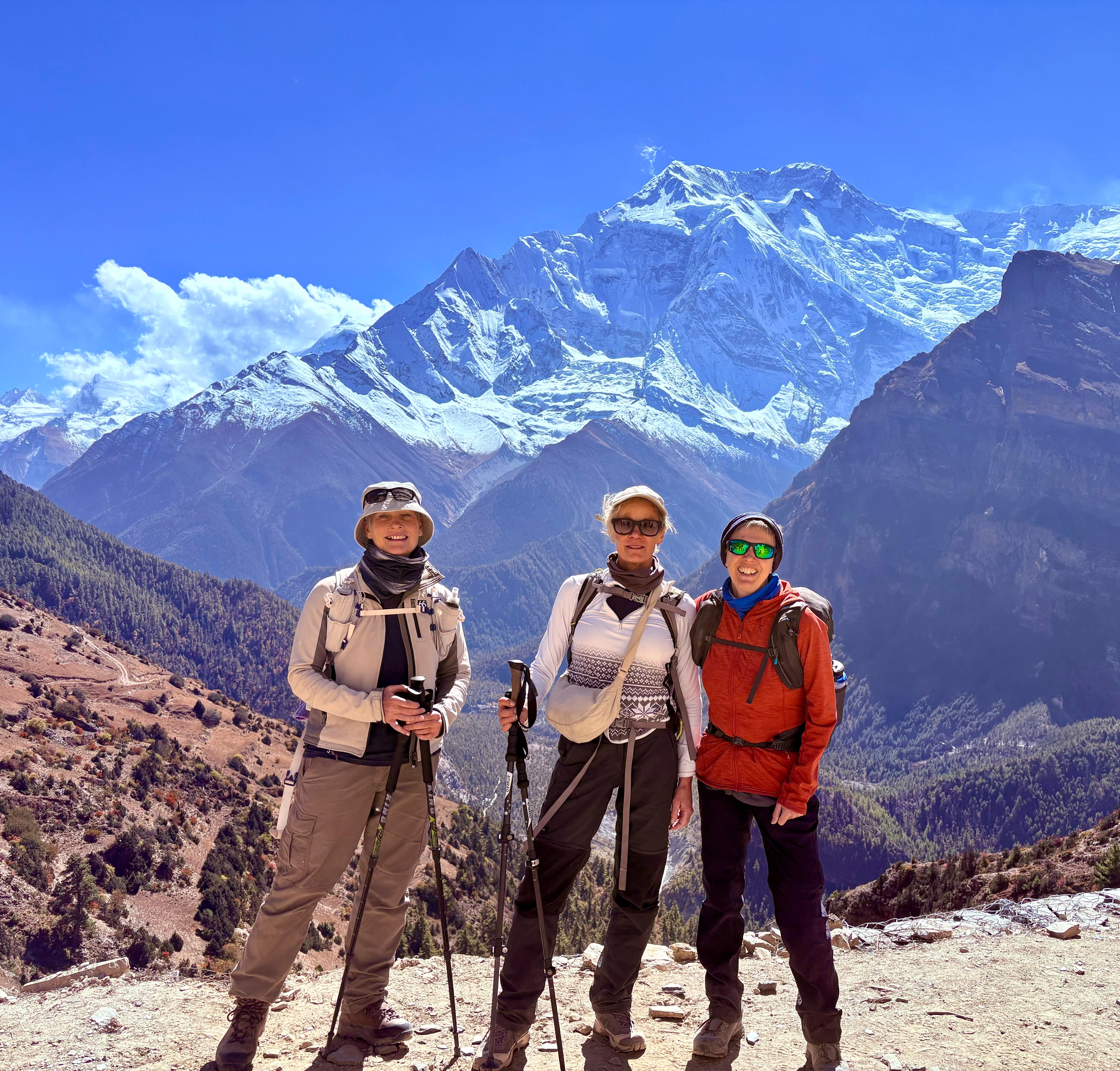
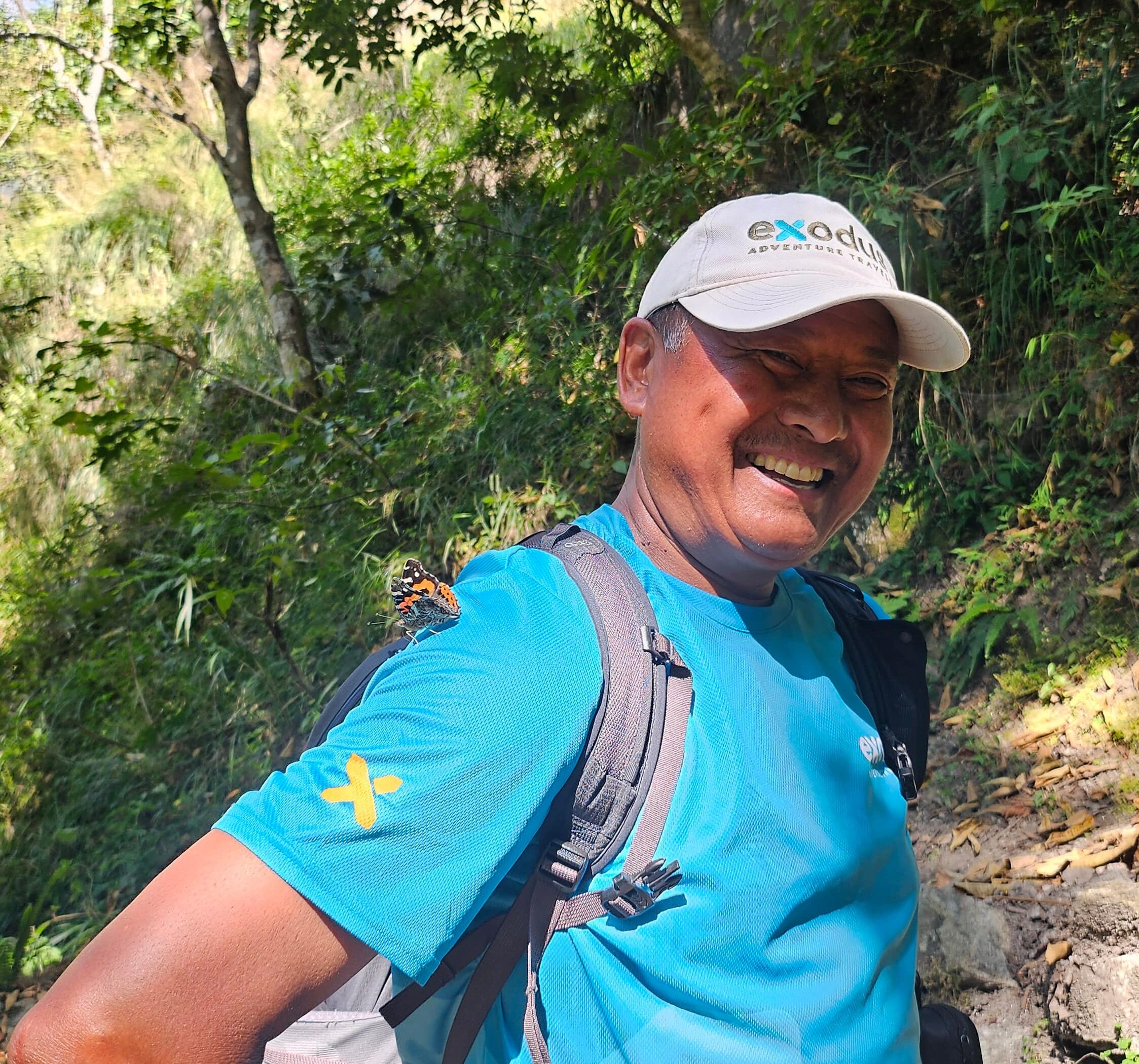
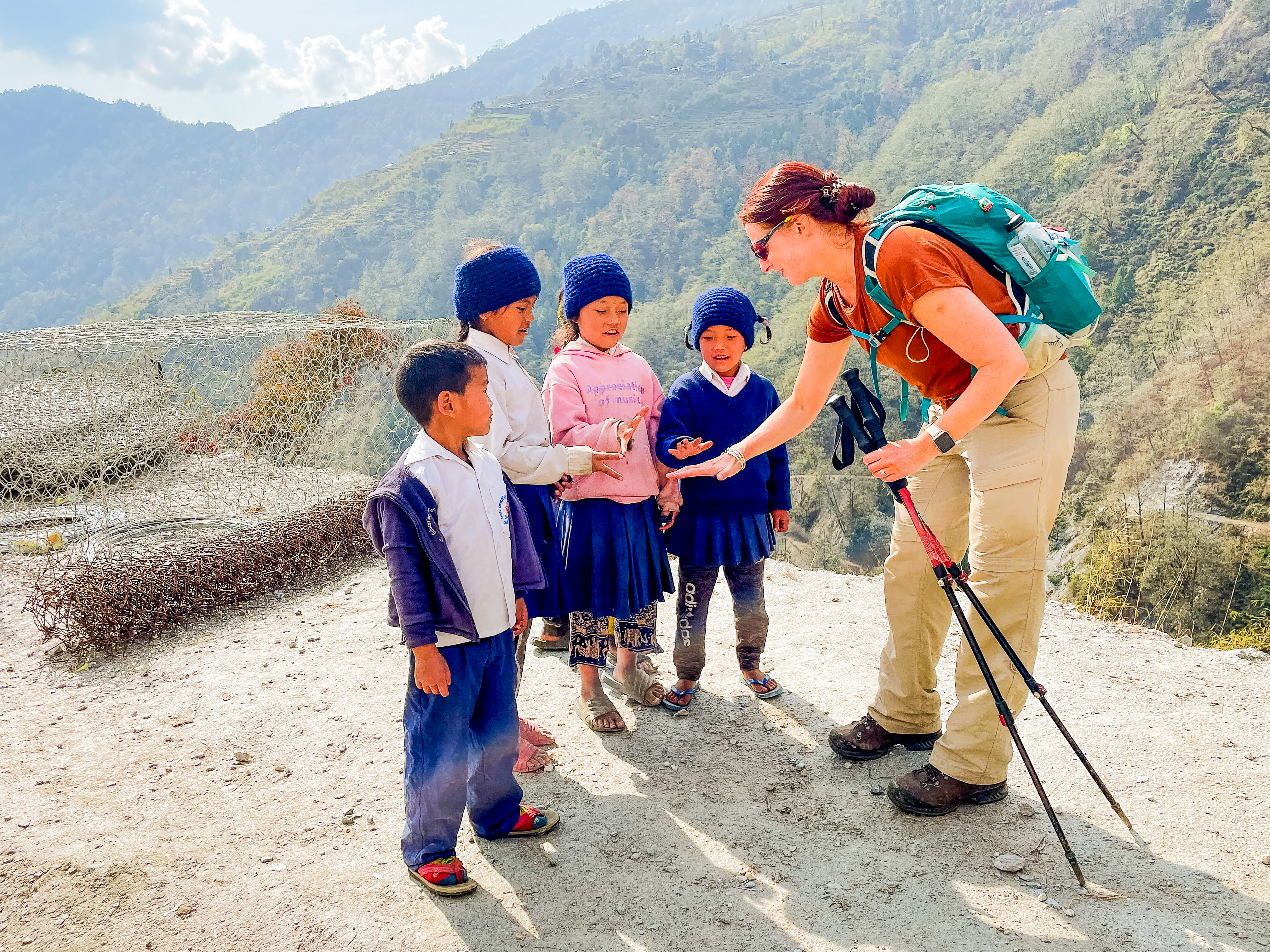
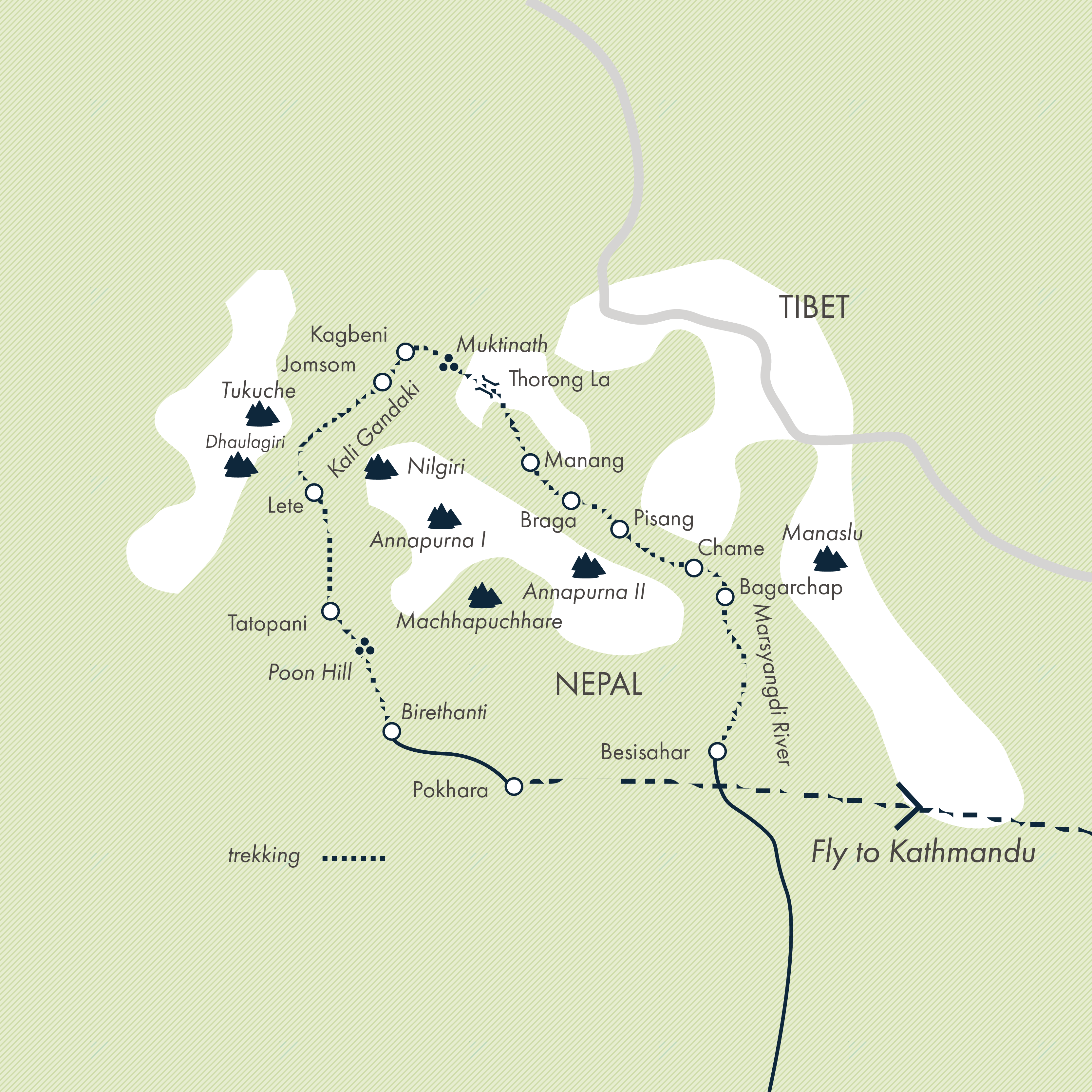
The Annapurna Circuit – considered the classic trek in Nepal – is legendary in the hiking community for its unrivalled variety of landscapes. However, few trekking trips complete the route, often skipping the final leg, which means missing out on deserted trails and unforgettable nights in quiet teahouses. We just couldn’t do that. Join us to tackle the full lap, enjoying superb views of the Annapurna and Dhaulagiri mountains and the ever-changing scenery. Based in teahouses throughout, we spend time in villages inhabited by many of Nepal’s different peoples, both Buddhist and Hindu. Selected departures are led by Valerie Parkinson, Wanderlust World Guide Award winner (Best Tour Leader, 2021), celebrating 40 years of guiding Himalayan expeditions. See Dates & Prices. Why trek with Exodus? One of the highest staff-to-traveller ratios on the trek with one staff member to every four travellers More than 30 years’ experience organising treks in Nepal A carefully designed itinerary to minimise long road journeys and maximise comfort and ascent rates on the trails Exodus annually commissions independent air-safety audits on domestic carriers in Nepal and only use those approved as part of the audit Experienced English-speaking local leaders who are qualified in first aid and trained to recognise and deal with altitude sickness All staff (leaders, guides and porters) are fully insured and paid a fair wage Staff carry oxygen, a first-aid kit, and self-assessment acute mountain sickness cards, used to monitor every traveller at altitude Speak to Exodus office staff who have done the trek themselves
- Adventure and Active
- Hiking and Trekking
| Additional Offers |
ID: 11384076
|
ID: 11383551
|
ID: 11378543
|
ID: 11383552
|
ID: 11378718
|
ID: 11378720
|
ID: 11381283
|
ID: 11378721
|
ID: 11379287
|
ID: 11383556
|
ID: 11379289
|
ID: 11382663
|
ID: 11379290
|
ID: 11383557
|
ID: 11384029
|
ID: 11381286
|
|---|---|---|---|---|---|---|---|---|---|---|---|---|---|---|---|---|
|
|
|
|
|
|
|
|
|
|
|
|
|
|
|
|
|
|
|
ID: 11384076
|
ID: 11383551
|
ID: 11378543
|
ID: 11383552
|
ID: 11378718
|
ID: 11378720
|
ID: 11381283
|
ID: 11378721
|
ID: 11379287
|
ID: 11383556
|
ID: 11379289
|
ID: 11382663
|
ID: 11379290
|
ID: 11383557
|
ID: 11384029
|
ID: 11381286
|
We stay in teahouses for most of this adventure, a classic experience for trekkers in the Himalaya. We spend the rest of our time in hotels. The accommodations we typically use are on the day-to-day itinerary; however, below are a few of the notable places we stay on this trip. Kathmandu: Royal Singi Hotel (nights 1 and 21) The Royal Singi, a three-star hotel, has been welcoming our groups for more than two decades. The name is inspired by the Snow Lion, a mythical creature in Tibetan Buddhism, which represents immense joy, positivity, delight and comfort. The hotel embraces the name with a restaurant, bar, outdoor courtyard, and complimentary wifi throughout. There’s also an Exodus desk in the lobby and an Exodus representative is usually available daily in the mornings and evenings. The Royal Singi is well located near the Thamel district, close to banks, restaurants, shops and attractions. Annapurna: Teahouses (nights 2-18) Staying in teahouses is a time-tested tradition for hikers in the Himalaya. They may be basic, but they’re a welcome sight after a day of walking among the spectacular peaks. The hub of teahouse living is the dining room, which is usually decorated with traditional rugs, sometimes with a stove or heater (some lodges charge a fee to put the heater on). Most teahouses sell snacks and other essentials such as tissues, soap and toilet paper. For the majority of the trek, we stay in twin-share bedrooms, which come with foam mattresses, bedsheets and a pillow. Remember to bring (or hire) a sleeping bag, rooms are unheated so they can get cold at night. Worth knowing Some teahouses above 9,845ft (3,000m) may not be heated due to local environmental restrictions. Occasionally, kerosene burners can be used to heat common areas if requested. We recommend against using these due to the risk of carbon monoxide poisoning. Your leader will not offer this to you. Some lodges are situated in an area controlled by the Annapurna Conservation Area Project. As part of their conservation efforts, there is a limit to the number of lodges available and therefore some of your stays will be in triple or quad shared (same-sex) rooms. Most teahouses have electricity, but it is not wholly reliable, and lighting may not be bright enough to read by – a torch (flashlight) is essential. Charging facilities are generally only available in the dining room (charged at approximately 200-500 Nepalese rupees/US$1.50-US$3.80 per hour per device). Many of the teahouses use solar power, so sometimes there is not enough electricity for charging. Many also have wifi, though it can be slow and temperamental. Most teahouses have Western-style toilets, though some may have squat style. Toilet paper is not provided, so you should bring your own or buy it locally (please dispose of it in the receptacle provided). If there is not a flush handle, there should be a container of water to pour down – if it is empty (or frozen), please refill it or ask the lodge to. Some teahouses have hot ‘showers’ (charged at approximately 250-500 rupees/US$1.90-US$3.80 per shower). Sometimes this is simply a bucket of hot water. Standards of cleanliness vary, especially in the peak trekking season and in winter when the water freezes at night. Please report any problems to your leader or the teahouse staff and be vigilant in your personal hygiene regime – use soap or hand gel before and after toilet breaks, snacks and mealtimes. Generally, the higher the altitude, the more basic the teahouse and the more expensive food and services. Extra accommodation If you require additional accommodation in Kathmandu, either before or after the tour, we can book this for you (subject to availability). Please enquire with your sales representative. Single accommodation If you prefer your own room, we offer a single supplement for the hotel nights in Kathmandu and Pokhara only (subject to availability). While in the teahouses, single rooms cannot be guaranteed so these have not been included in the single supplement price paid in advance. However, if a single room is available on arrival at a teahouse, you can pay locally on a day-by-day basis, please speak with your leader to request single rooms for the teahouse stays directly.

Self-Guided Hiking Tours
Discover self-guided hiking tours run by our sibling company, Headwater, where independent treks give you freedom. Pause or power on, cherry-pick your sightseeing, linger over lunch, or set off an hour earlier to catch the coolest part of the day. The choice is yours. And with in-depth trip notes to keep you company, you never feel rushed, or alone.
Created especially for their self-guided hiking tours, the trip notes are personally tested by their experts and give you detailed route descriptions, with all the information you need for a smooth experience. You get recommendations for the best lunch and rest spots, excursion routes and notes on places of interest. And on all their self-guided hiking trips, they transport your luggage between hotels and provide high-quality support through local suppliers, as well as 24-hour emergency assistance if required.
Summit Hiking Adventures
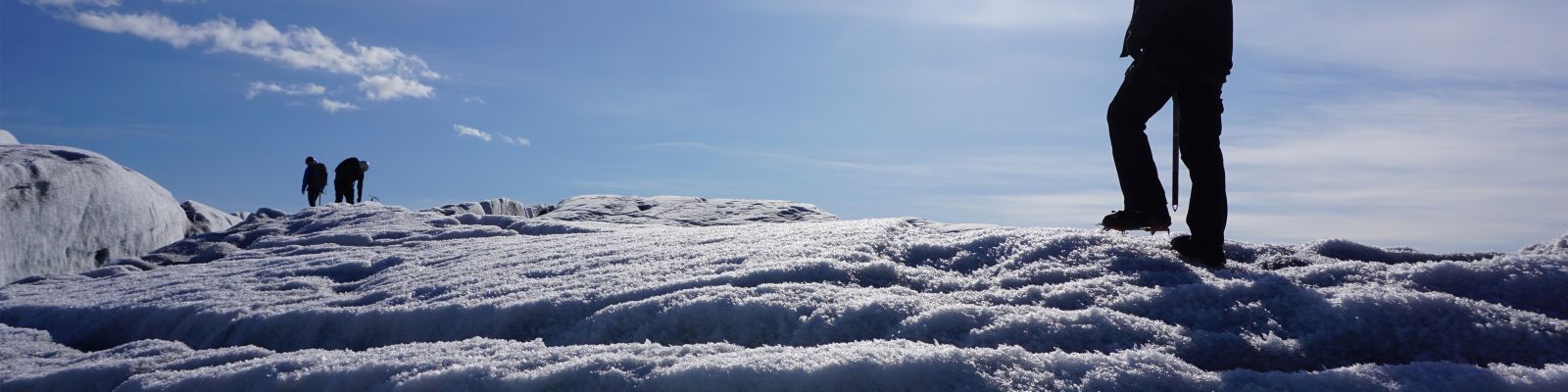
There are few sensations as rewarding and fulfilling as reaching the summit of a mountain. We have more than 30 years’ experience trekking the highest and most challenging mountains on Earth, so we know the importance of careful planning and expert support, especially when tackling peaks over 6000m. At Exodus, our summit walking holidays are never just about ‘peak bagging’; they combine the most enjoyable routes with the best views, while putting something back into the communities we visit too.
The thrill of standing at the highest point in a given mountain range, country or continent is unparalleled. From the challenging climb to the sense of achievement as you reach the top, our summit walking trips are more than just a holiday. We lead tours to the highest peaks in Africa, the Americas, Europe and Asia, including those in the Atlas Mountains, the Andes, the Alps and the Tatras, not to mention treks to Kala Pattar (5545m) in Nepal, and Stok Kangri (6153m) in India.

Centre-Based Hiking Tours
On all our centre-based hiking tours we stay at a small hotel, private lodge or farmhouse for the duration of the trip, taking the hassle away from having to unpack each day. There is always plenty of time to relax, with optional visits or walks available for those who wish. These trips are perfect for couples, singles or groups of friends travelling together, with each accommodation hand-picked for its character and location, quality of food and warm welcome on your return from a day’s exploration.
Centre-based hiking tours are ideal for those who are new to the activity, but also make great short breaks for more experienced walkers. And wherever you choose to go, you’ll find yourself in the heart of one of the most scenic and spectacular areas of Europe, within easy access of great walks, culture or activities.
Point-to-Point Walking Tours
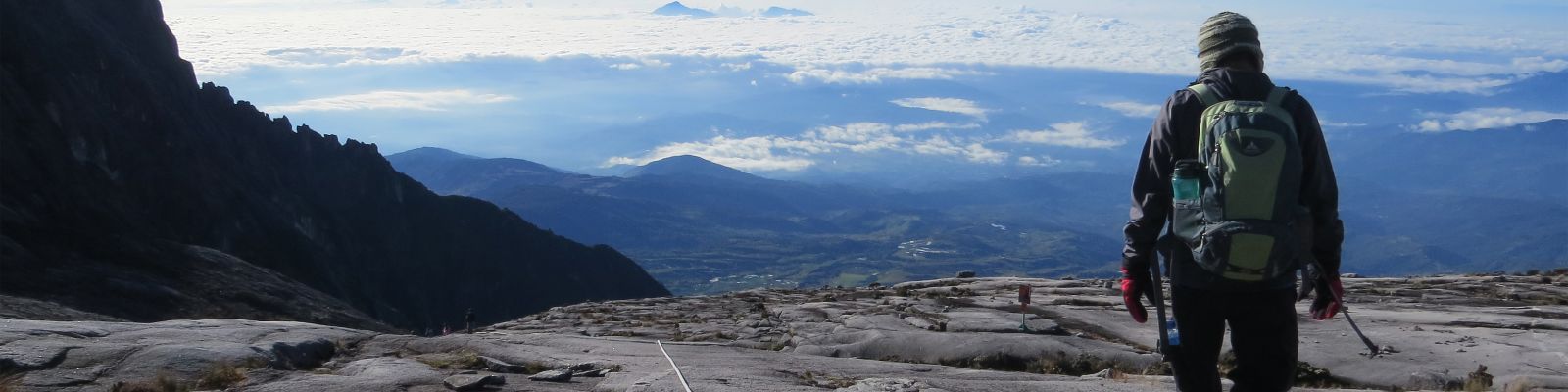
Whether you camp, stay in mountain huts or use local gîtes and hotels, these treks all have one thing in common: point-to-point walking. Discover new scenery each day, from classic routes like the Tour du Mont Blanc to destinations further afield, from Everest Base Camp to The Inca Trail. On most point-to-point walking trips we’ll transport your luggage for you, so you only have to carry a day pack.
Coastal Hiking Tours
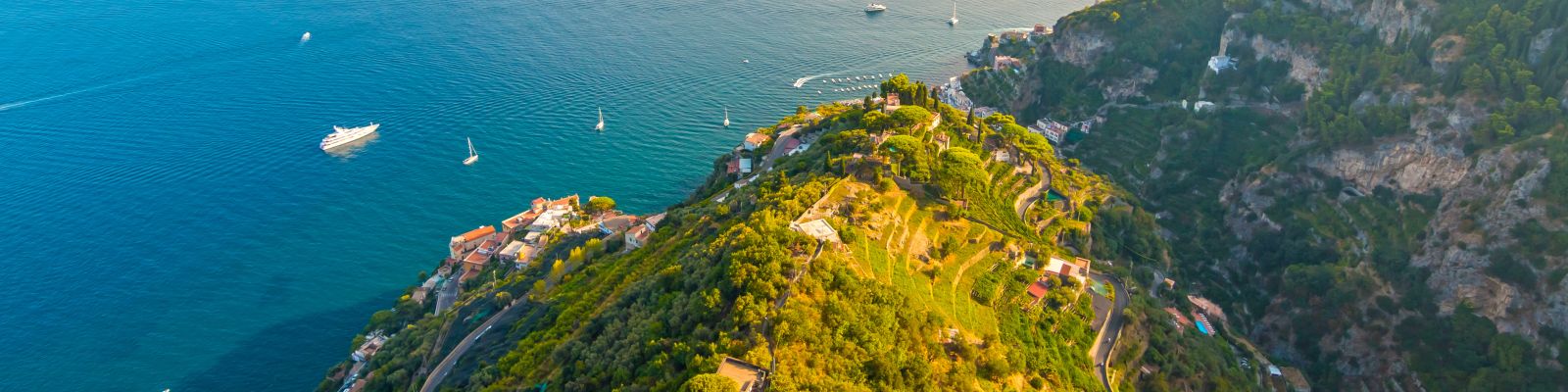
With sweeping golden sands and sparkling seas as far as the eye can see, it’s easy to understand why coastal hiking trips are more popular than ever. In fact, our Walking the Amalfi Coast itinerary is the most popular Exodus trip of all time.
With the lure of picturesque spots for picnic lunches, sunny climates and spectacular ocean views, coastal hiking tours provide the perfect mix of activity and relaxation. And from the Mediterranean hotspots of the Cinque Terre and the French Riviera to the azure waters of the Aegean Sea, there are plenty of enticing options to choose from!

Desert Trekking Tours
Desert trekking is, for many, the ultimate adventure, synonymous with explorers and pioneers of the past. To walk in a world without paths, without permanent settlers, is liberating. Desert hiking trips take you deep into a land of extremes, a remote yet rewarding environment unlike any other. No people, no pollution, just the sound of the wind and a vast, uncompromising expanse of desert ahead.
On Exodus desert trekking tours you can discover Wadi Rum, a landscape characterised by rust-red sandstone hills and soft, undulating dunes that inspired sets of huge Hollywood blockbusters such as ‘Lawrence of Arabia’ and ‘Prometheus’. Or, explore Morocco’s remote southwest, where kasbahs perch above terraced valleys and desert oases, and distant peaks shimmer in the haze. Either way, with 44 years of experience, Exodus can lead the way.
Wildlife Walking Tours
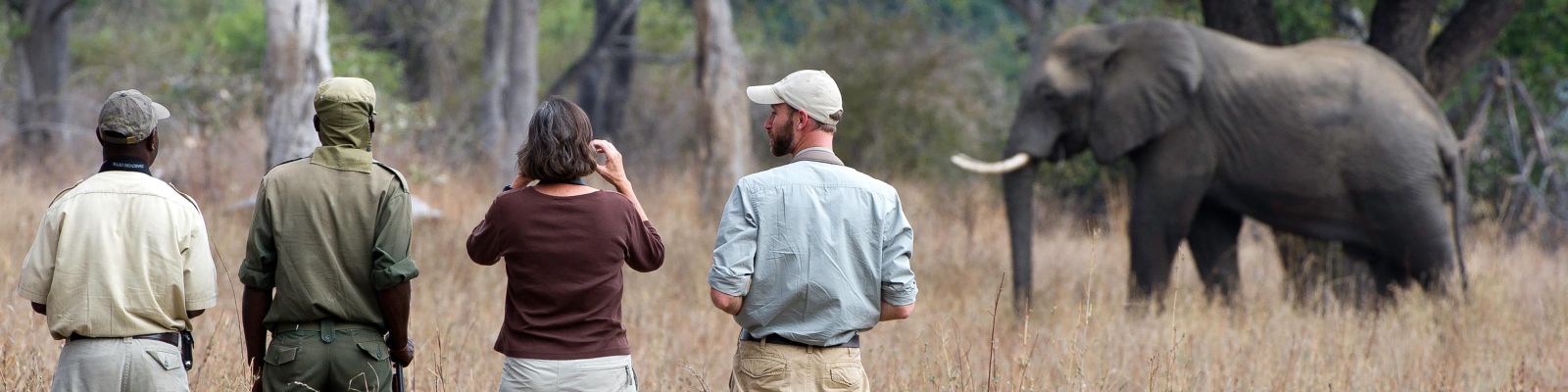
The best way to get a real feel for wildlife is on foot. Remote trekking, wonderful wildlife, local lodges: on our wildlife hiking tours you’ll get closer to nature than ever before. You’ll never forget the thrill of trying to be silent as you step over a rustling bush on the jungle floor, trying to catch a glimpse of a nearby creature. You can spot mountain gorillas on a trek through Rwanda, search for a snow leopard in the snowcapped Indian Himalaya or explore bear territories in Romania. On a hiking safari you’ll have a truly immersive experience taking in the tracks, smells and other signs of animal life.
Wildlife wellbeing and habitat preservation is central to our philosophy, which is why we make sure that all of our wildlife hiking trips are sustainable and give back to the communities in which they operate. Positive-impact tourism can bring benefits to many communities, help preserve the environments we travel to see, and provide real and positive social exchanges. Find out more about responsible travel here.
Snowshoeing Hiking Tours
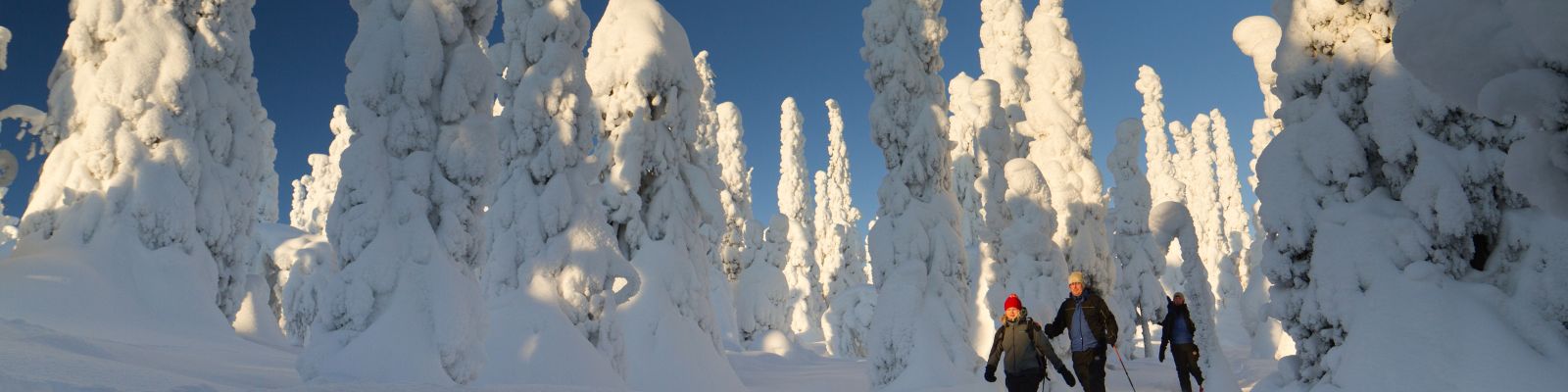
There’s nothing quite like hiking through a winter wonderland, no matter what level of challenge you’re after. It’s far less technical than skiing, and with our expert guides on hand to help, you can master snowshoeing in minutes. Using our own two feet, the opportunity for winter exploration is endless.
On all our showshoeing trips we provide the snowshoes, hiking poles and, on the tougher treks, avalanche transceivers – the only specialist equipment you will need. Hiking through snow with the aid of snowshoes is an excellent way to travel through the winter landscape without needing the technical skills of a skier. Snowshoes work by distributing your weight over a larger area so that your feet don’t sink completely into the snow. Most modern snowshoes are made of light metal or plastic, with the heel left ‘free’ (as on cross-country skis) as this makes walking easier. Ski or walking poles help with both rhythm and balance. If you can walk, then you can snowshoe – it really is as simple as that!
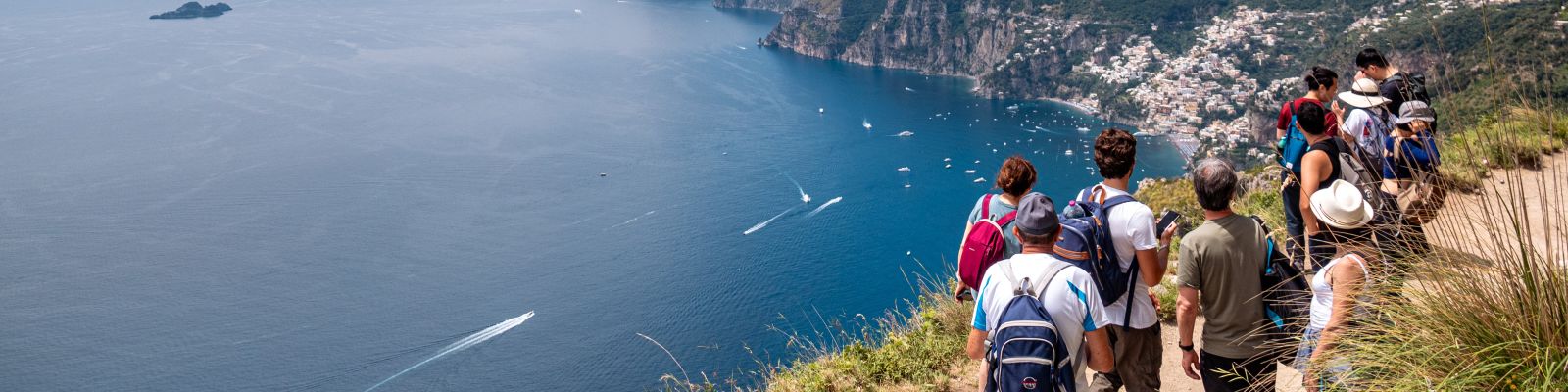
Hiking & Trekking Trips
Some of the best views in the world can only be reached on foot. Whether you seek the challenge of ascending the world’s tallest free-standing mountain, the tranquility of a rainforest trail echoing with howler monkeys, or the dramatic vistas along the Path of the Gods on the Amalfi Coast, our hiking and trekking tours invite you to immerse yourself in the beauty of the world at your own pace.
Walking and hiking tours are ingrained in our history, dating back over 50 years to our inaugural group hikes through the Nepalese Himalayas. Today, as one of the world’s best hiking companies, we boast an extensive array of walking tours globally, led by some of the most qualified hiking guides in the world. Each hiking tour is a testament to our dedication to environmental and social responsibility, making your journey not only a personal adventure but also a meaningful contribution to the world we explore.
From the secluded coves of Sardinia to the cloud-kissed peaks of Bhutan and the iconic summits like Kilimanjaro, our guided hiking vacations promise not only awe-inspiring landscapes but also meaningful connections with the places we visit. Join us as we continue to weave our legacy into the trails we tread, ensuring each step leaves a positive impact on both the adventurer and local communities.
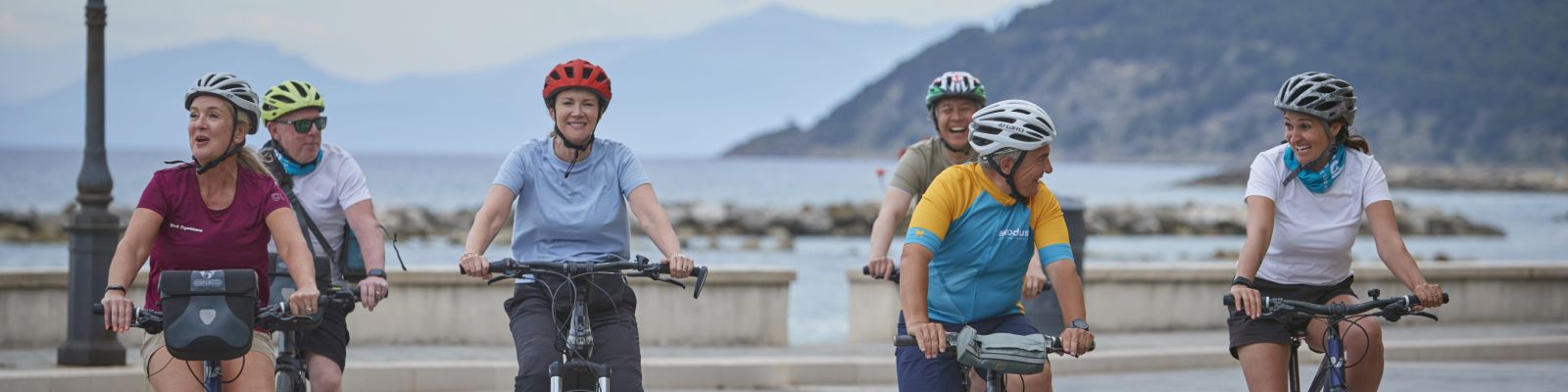
Our Cycling Adventures
Trade the tour bus for two wheels and discover a world beyond the glossy guidebook images. Our biking tours take you straight into the heart of each destination, led by our expert local guides who know every hidden vineyard, backroad, and café worth stopping for.
Whether you’re cruising through the Loire Valley in France, conquering Morocco’s High Atlas passes, or coasting past jungles and temples in Vietnam, there’s a ride to match every ambition (and saddle tolerance).
We’ve spent over 50 years perfecting these adventures and handling all the logistics, so you can just clip in and enjoy the ride. Each tour is graded by difficulty, combining on- and off-road routes with the right level of support, should you need it. Prefer to let the e-bike do some of the work? No problem – many of our biking tours now include e-bike availability.
With small groups and a commitment to giving back to local communities, you’ll travel responsibly – and never feel like just another biker in the crowd.

Mixed-Activity Tours
Can’t decide what you want to do on vacation, or want to try it all? Exodus’ mixed-activity trips offer a different challenge each day, whether that’s learning a new skill or finding a fresh perspective on another culture. All you need to join one of our mixed-activity tours is an up-for-it attitude and a reasonable level of fitness. We’ll do the rest.
And who knows where you’ll find yourself… You could be zip lining through Costa Rica’s rainforest; kayaking along the beautiful Dordogne; or wildlife-watching as you canoe the Zambezi River. You could be peddling through Vietnam’s rice paddies; white-water rafting the wild beauty of the Pyrenees; or canyoning in Spain’s wild Sierra de Aitana. For a winter adventure with a difference, our winter mixed-activity trips are the perfect introduction to life in the snow and include cross-country skiing, dogsledding and igloo building, all in stunning snow-wrapped landscapes.

Winter Holidays
Imagine snowshoeing along frozen rivers, following reindeer tracks through primeval forests or bunking down in a hunter’s lodge, our winter holidays give you the opportunity to embrace the beauty and tranquility of snowy landscapes while enjoying exhilarating activities.
Finland is home to fairytale scenery and vibrant culture and is a popular destination for winter trips. Experience the thrill of snowmobiling through snow-dusted forests and across frozen lakes as you immerse yourself in the serenity of the vast wilderness.
For anyone seeking a more challenging adventure, the Dolomites in Italy provide a stunning backdrop for cross-country skiing. Glide through pristine snow-covered meadows and forests while taking in the immense mountain vistas and explore the wide variety of trails that wind among rugged peaks.
One of the most awe-inspiring spectacles of the winter season can be witnessed in Iceland – the Northern Lights. This mesmerising dance of colourful lights illuminating the night sky captivates visitors from around the world. The Aurora can also be witnessed in the Arctic Circle, where the sky comes alive with neon lights in shades of green, pink and purple.
All our winter holidays provide you with perfect opportunities to explore a variety of activities among awe-inspiring destinations around the world. Whether you choose to go husky sledding through the glistening Finnish forests or cross-country skiing in the mighty Dolomites, every experience will bring you closer to nature and let you delve further into the culture, history and traditions of each destination you visit.

Making Memories Together
At Exodus, we understand that family travel adventures should be more than just a theme park or a day at the beach. Our family tours are the perfect way to create unforgettable memories with your loved ones! Whether you’re playing pirate on an overnight houseboat stay in Vietnam on our Vietnam Family Adventure, stretching fresh mozzarella and learning to make authentic Italian pizza together with locals on our Amalfi Coast Family Adventure, or just exploring a new culture – there is always something thrilling and exciting on our family travel adventures. Our guides are experienced in touring with children and families, and our itineraries are carefully crafted with the needs of a family in mind.
One size never fits all though, especially when kids are involved. We offer both small group tours with set departures and private guided tours. If you don’t find the dates you want or prefer to travel with just your own family and friends, we got you covered! Exodus family adventures are designed to offer a perfect balance of education and exploration, with plenty of downtime to ensure everyone returns feeling refreshed. Our family adventure travels are designed to inspire the next generation of explorers, from game spotting in Namibia to splashing in thermal pools in Costa Rica, we have adventures all over the globe to suit your family!
Tailored to children
Each family travel adventure is tailored to one of two age ranges 9-12 and 13-16, though children outside of these age brackets are still very welcome. Each trip also has a child-centric activity grading that tells you how challenging the trip will be for kids. This grading system is based on the itinerary’s physical demands, how much time is spent traveling, and how busy the schedule is.
Great value
Our trips are designed to give you maximum value for money, often including the accommodation, local tour guides, and authentic, experiential activities. Child prices are 25% lower than the adult cost (10% lower for trips in North America) for Exodus-operated guided trips, up to the age of 16.
Treading carefully
We are committed to ensuring that future generations can continue to explore the world, so we strive to leave as small of an impact as we can. With your family’s help, we support the local communities that graciously share their homes with us through various projects, championing local businesses and creating jobs. We have initiated projects to eliminate single-use plastic bottles, take children on adventures in their homeland for the first time, and support community projects all over the world. Learn more about our commitment to sustainability and join us on an unforgettable journey!

Our Cultural Tours
The evocative swirl of incense in a temple, a refreshing cup of chai on a desert roadside, or the wonder of the Taj Mahal at sunrise. These are just some of the magical experiences that will leave your senses tingling on our cultural tours. Embark on a voyage where you’ll explore the traditions, history, and daily life of communities around the globe. Whether you’re drawn to the vibrant colors of a bustling market in Marrakech, the serene temples of Kyoto, the lively streets of Havana, or the ancient ruins of Machu Picchu, our culture-focused trips are designed to connect you with the soul of each place. They offer more than just sightseeing; they provide a deep dive into the essence of each destination.
We curate every aspect of our cultural trips to ensure you encounter the real essence of a destination. From staying in a family-run hotel on the Amalfi Coast to savoring street food in Bangkok, every moment is crafted to foster genuine connections and understanding. With expert guides leading the way, you’ll gain insights into ancient traditions, modern lifestyles, and the rich tapestry of cultures that make our world so diverse.
Join our community of like-minded explorers and embrace the transformative power of travel. Whether you’re a seasoned globetrotter or embarking on your first adventure abroad, our cultural trips offer something for everyone. Expand your horizons as you marvel at the architectural wonders of Egypt’s pyramids, stay in a Bedouin camp in Jordan, or explore the intricate alleyways of Istanbul. Let’s embark on a journey together, where every step is a celebration of diversity, curiosity, and the beauty of our shared humanity.

Our Wildlife Trips
Immerse yourself in the wild wonders of the world with our extraordinary wildlife tours. From the icy realms of the Arctic to the sun-drenched African savannah, Exodus takes you on wildlife adventures that bring you within arm’s reach of some of the planet’s most unique, dangerous, and beautiful creatures.
Follow in the footsteps of bears in pristine snow on a bear-watching expedition, glide past a lounging jaguar while paddling along a tranquil river, or wake up to the majestic trumpeting of elephants echoing through the wilderness. Venture beyond the ordinary into the habitats of animals big and small for one-of-a-kind adventures.
Journey to Indonesia and come face-to-face with the forked-tongued Komodo dragons, or venture into the lush jungles of Borneo to witness the endangered orangutans swinging through the canopy, a testament to the fragile beauty of our planet. Head west to the Galapagos Islands, where Darwin’s legacy lives on in the enchanting wildlife that inspired his groundbreaking work, or travel east to India and be mesmerized by the elusive Bengal tigers on one of our safari wildlife treks.
From whale watching to safaris and from Costa Rican rainforests to Transylvanian mountains, our small-group guided wildlife vacations take you off the beaten path in search of creatures of all kinds. Join us as we unlock the secrets of the natural world, one unforgettable journey at a time. Your adventure begins here, where the wild beckons with open arms.

Polar Cruises
If you’re looking for an adventure of a lifetime, look no further than a polar trip! Step aboard an icebreaker ship and encounter the spectacular beauty of the Arctic and Antarctic regions. From stunning glaciers to majestic icebergs, a kaleidoscope of blues, and an abundance of fascinating wildlife, including walruses, polar bears, seals, penguins, and whales. Once explored by only seasoned adventurers, you can now explore the poles in comfort on one of our Polar trips. Our small ships are crewed by passionate staff who will ensure you have the trip of a lifetime. See our Polar Fleet page for more details on our ships.
Join award-winning photographer Paul Goldstein on an unparalleled photographic expedition to capture majestic Polar bears and thousands of regal King penguins through the lens. Paul’s enthusiasm for the polar regions is unparalleled – for photographers and nature enthusiasts, these expeditions are an absolute must. If you’re up for an epic journey full of wonder and discovery, then a polar cruise is for you!
Quark Expeditions Price Match:
We are proud to offer award-winning polar expeditions through our sister company Quark Expeditions and strive to offer the highest quality adventures at the best possible prices. If you see a Quark voyage listed cheaper elsewhere, we promise to match the price like-for-like.
Choose your ideal Walking, Hiking & Trekking trip by using our Activity Levels – a grading that indicates how strenuous an adventure will be. To calculate Activity Levels, which run from Easy to Tough, we consider walking distance, elevation gain (and loss) and the trail conditions, plus altitude where necessary.
All trips have a walking profile showing the daily distances and a description of the expected conditions. On occasion, a walk may exceed the maximum stated below; in these instances, we feel the correct Activity Level has been assigned based on the difficulty of the trip as a whole. With the support of our experienced guides, these walks often provide a fun challenge for the group!
Read on for a breakdown of what each Activity Level means.
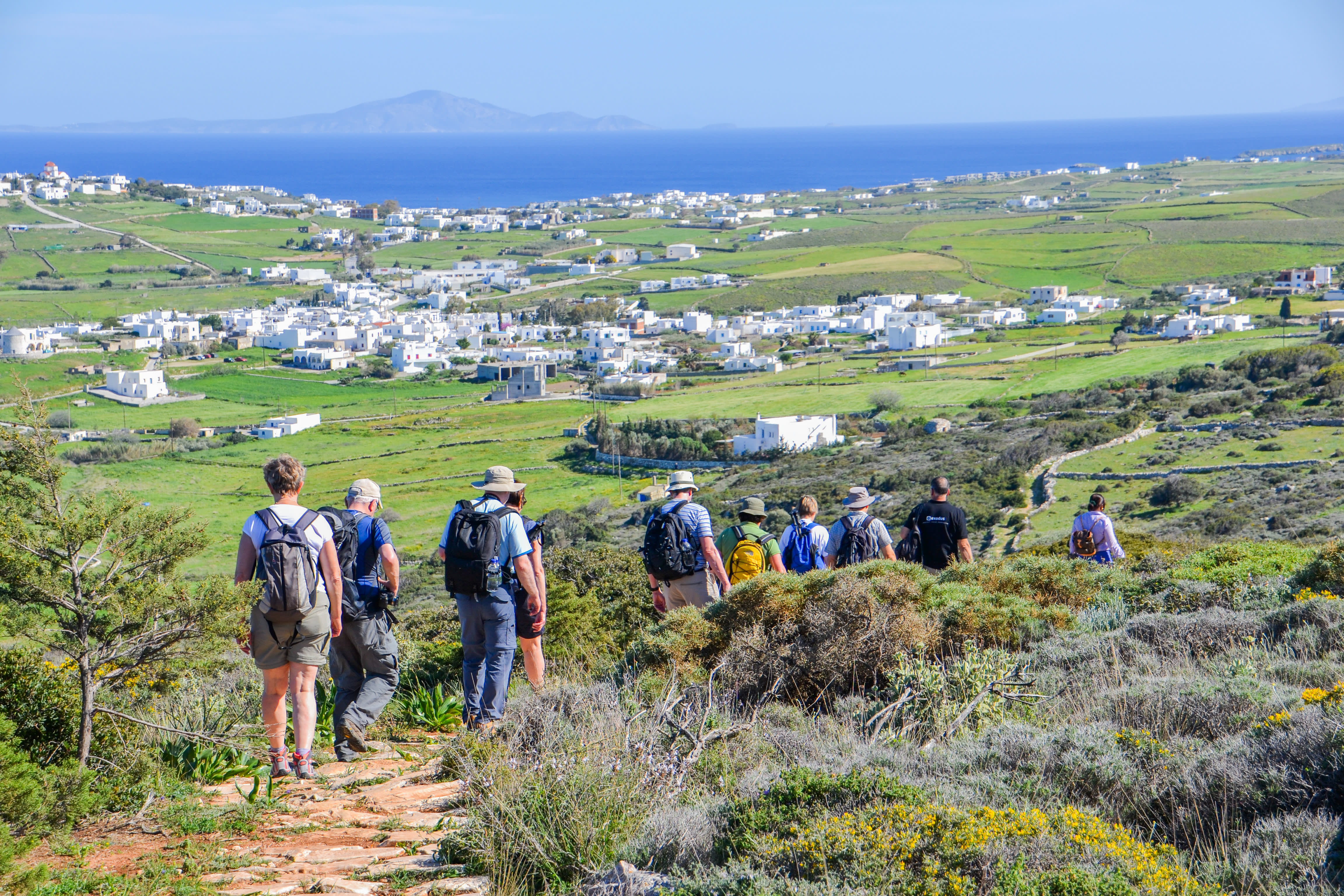
Activity Level 1 (Easy)
Ideal for those new to walking trips. The pace will be easy, and the itinerary often includes some half-day walks to allow for visits or free time. Expect two to four hours of walking per day on easy paths, with some minor ascent or descent.
- Average distance per day: 2.5mi-4mi (4km-6km)
- Maximum distance per day: 5mi (8km)
- Average elevation gain per day: 165ft-985ft (50m-300m)
- Maximum elevation gain per day: 1,640ft (500m)
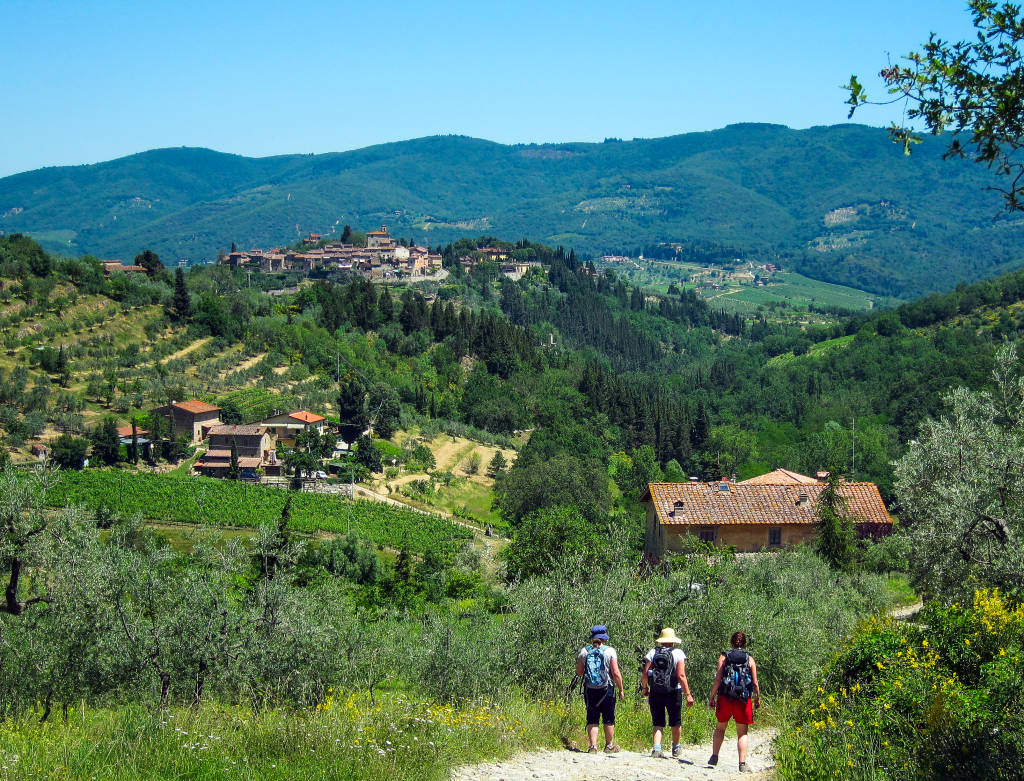
Activity Level 2 (Easy & Moderate)
Expect generally easy trails, but with some ascent and descent on most days. Some walks may meet the criteria for Activity Level 3 (Moderate). Therefore, you should be comfortable with three to five hours of walking per day and enjoy reasonably regular walks at home. The paths will be non-technical but could involve some short uneven sections. Maximum ascents will be no more than 2,295ft (700m), while longer days with less ascent could cover up to 8.5mi (14km).
- Average distance per day: 4.5mi-7mi (7km-11km)
- Maximum distance per day: 8.5mi (14km)
- Average elevation gain per day: 655ft-1,970ft (200m-600m)
- Maximum elevation gain per day: 2,295ft (700m)
Activity Level 3 (Moderate)
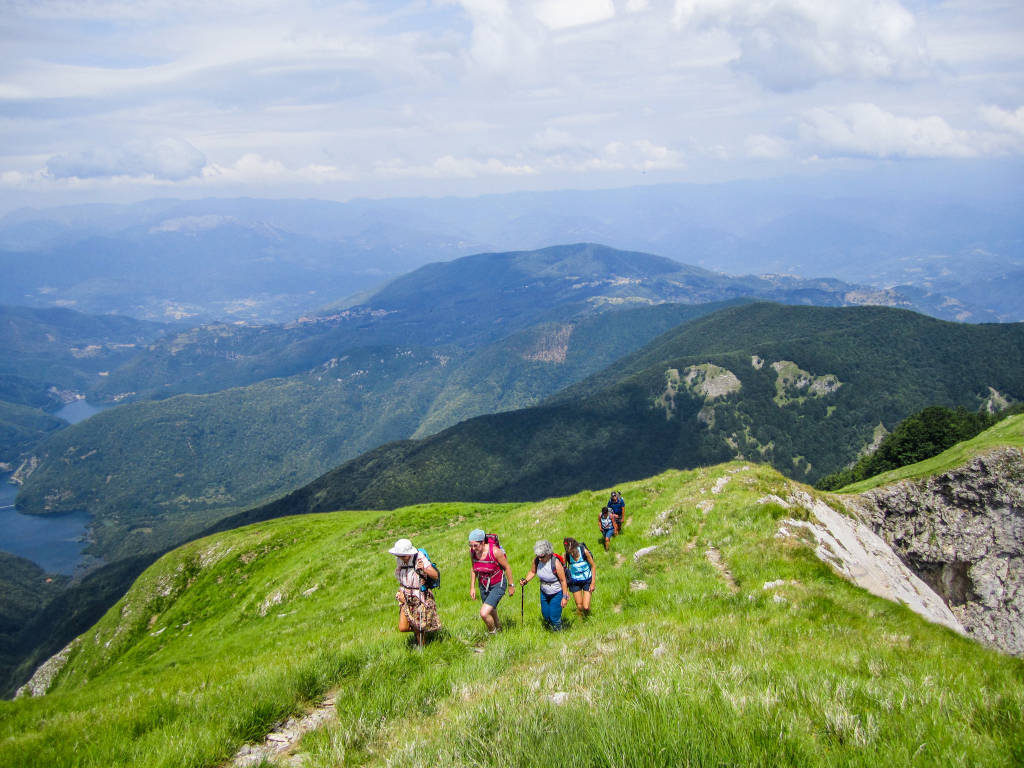
The inclusion of more hilly or even mountainous terrain makes this grade suitable for fit and frequent hikers. Underfoot conditions could be rocky or with some loose gravel; on wider trails, we may encounter some steep drops to one side. The maximum ascent could be up to 3,600ft (1,100m) in one day. We typically walk for four to seven hours per day.
- Average distance per day: 5mi-9mi (8km-15km)
- Maximum distance per day: 11mi (18km)
- Average elevation gain per day: 985ft-2,625ft (300m-800m)
- Maximum elevation gain per day: 3,600ft (1,100m)
Activity Level 4 (Moderate & Challenging)
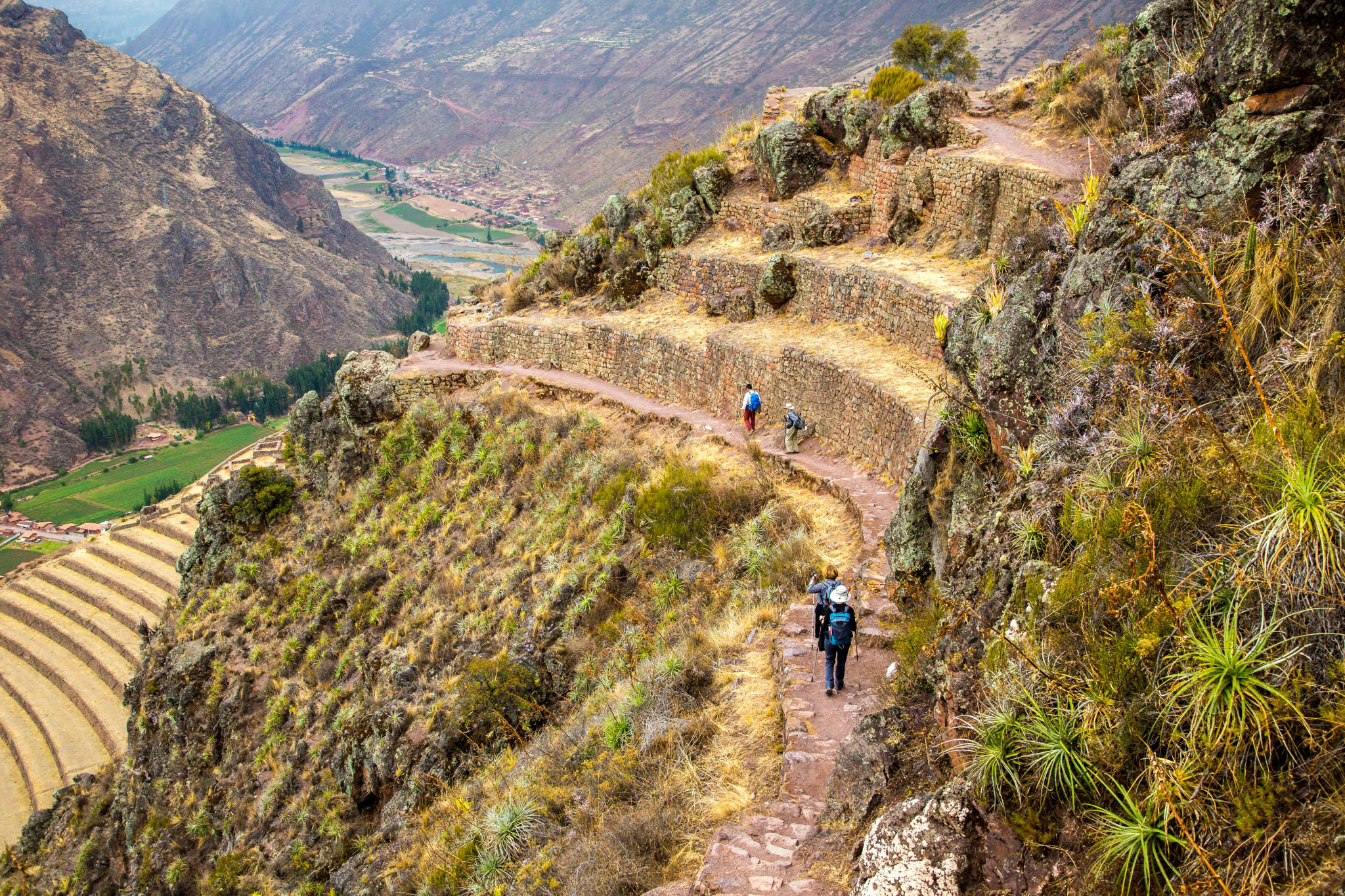
An adventure made for experienced hikers and hill walkers with good fitness, normally in mountainous terrain and sometimes at altitude with varied and occasionally challenging conditions underfoot. Walks on some days may meet the criteria for Activity Level 5 (Challenging). Expect five to seven hours of walking per day.
- Average distance per day: 5.5mi-10.5mi (9km-17km)
- Maximum distance per day: 12.5mi (20km)
- Average elevation gain per day: 1,640ft-2,955ft (500m-900m)
- Maximum elevation gain per day: 4,265ft (1,300m)
Activity Level 5 (Challenging)
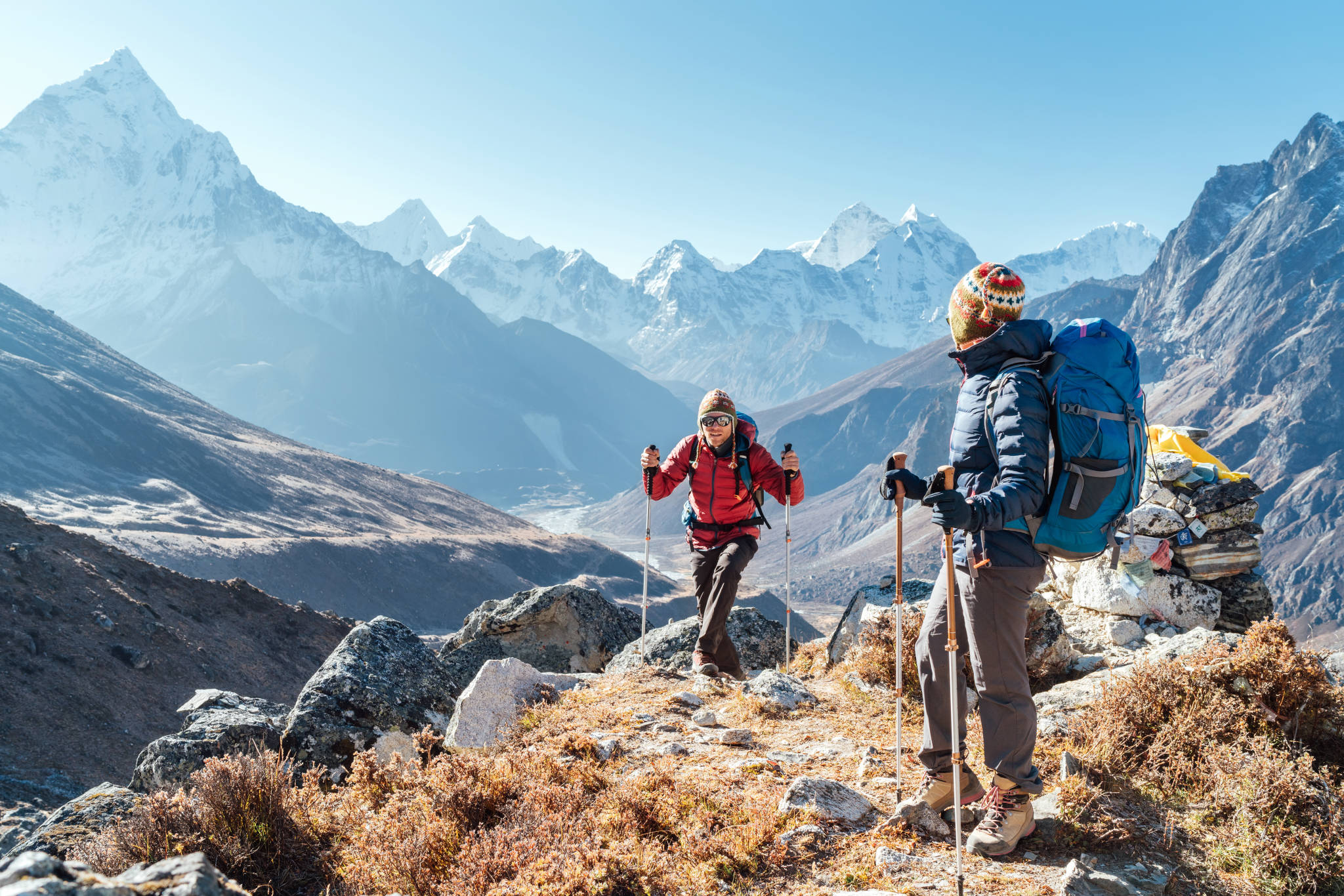
Ideal for experienced mountain hikers and trekkers with very good fitness. You could be walking longer distances (maximum 15.5mi/25km) for consecutive days. In the mountains, the maximum ascent would be 4,920ft (1,500m) in a day. You should feel comfortable walking six to eight hours per day, with sections of technical terrain (uneven ground with some loose rock, some narrow paths). Most itineraries include some days walking at altitude.
- Average distance per day: 6mi-12.5mi (10km-20km)
- Maximum distance per day: 15.5mi (25km)
- Average elevation gain per day: 2,955ft-3,280ft (900m-1,000m)
- Maximum elevation gain per day: 4,920ft (1,500m)
Activity Level 6 (Challenging & Tough)
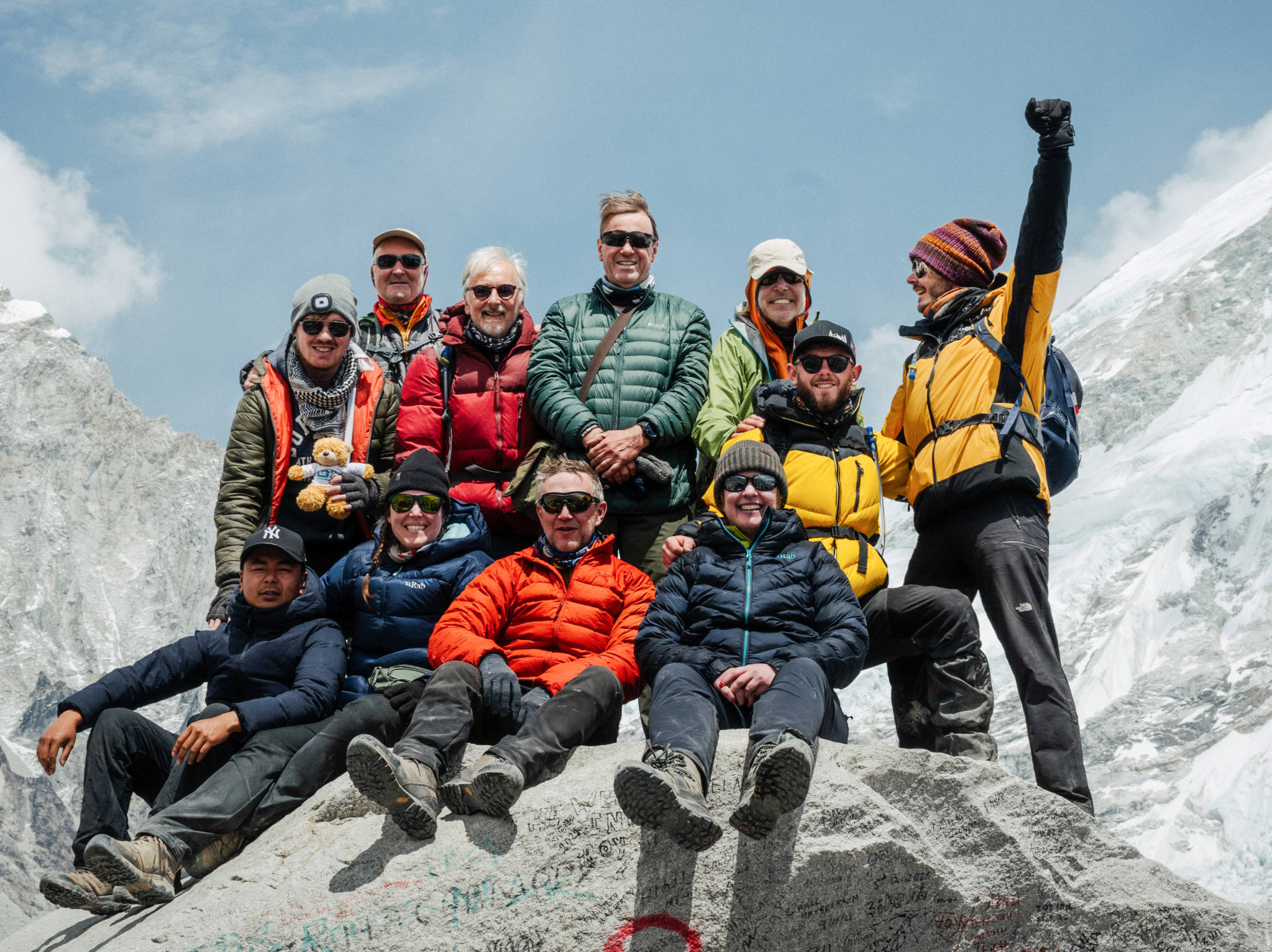
For experienced mountain hikers and trekkers only. Expect high mountain terrain, remote areas and probably consecutive days at high altitude. Excellent fitness and mobility levels are essential. Expect technical terrain on some days and walks of seven to nine hours per day.
- Average distance per day: 6mi-12.5mi (10km-20km)
- Maximum distance per day: 15.5mi (25km)
- Average elevation gain per day: 2,955ft-3,940ft (900m-1,200m)
- Maximum elevation gain per day: 5,580ft (1,700m)
Activity Level 7 (Tough)
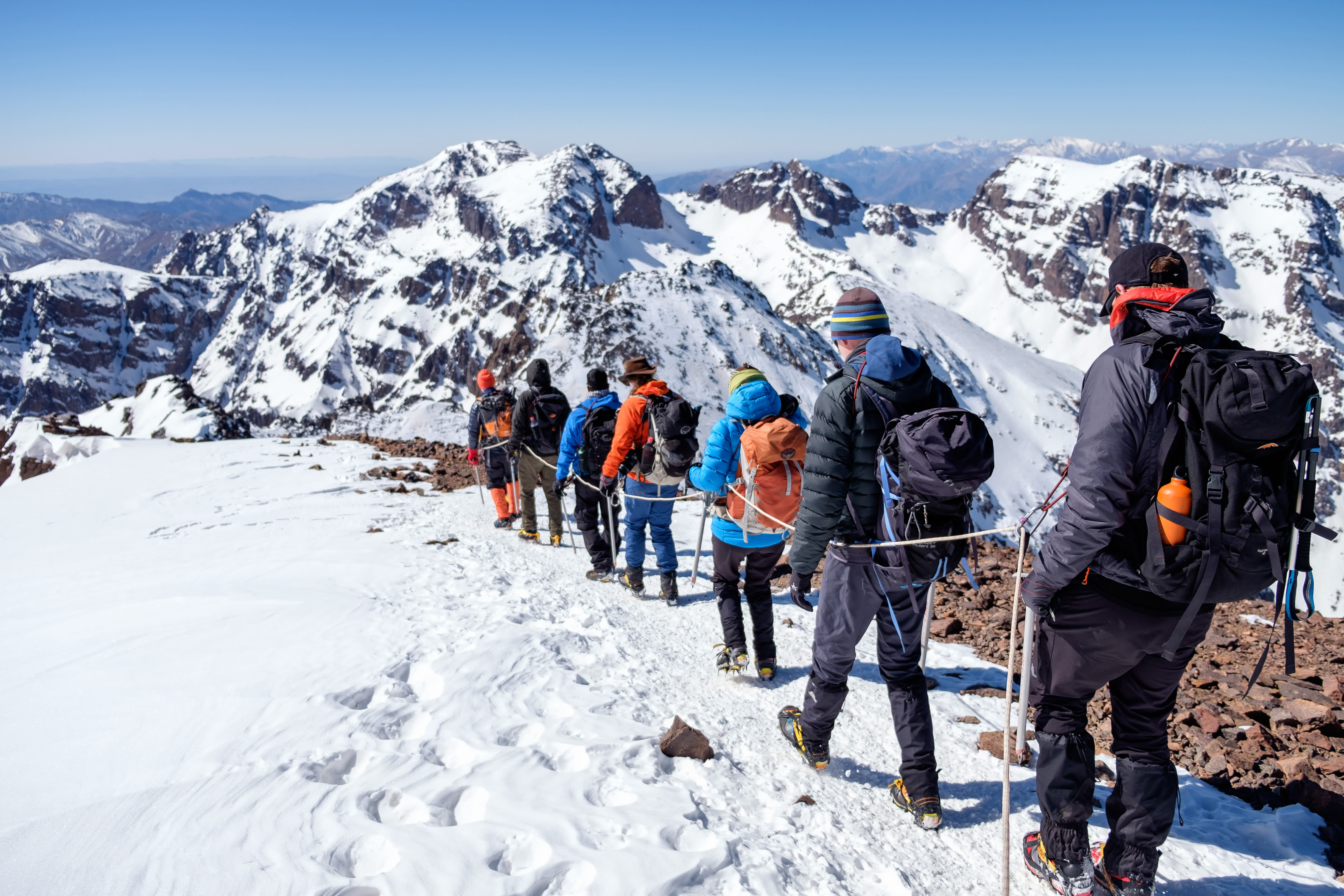
Our toughest Walking & Trekking trips normally involve the ascent of a summit, usually above the snowline and at high altitude. Expect technical terrain on most days, often using crampons and ice axes. Average daily hikes are between eight and 10 hours. Previous experience and excellent fitness and mobility are essential.
- Average distance per day: 6mi-12.5mi (10km-20km)
- Maximum distance per day: 15.5mi (25km)
- Average elevation gain per day: 2,955ft-4,265ft (900m-1,300m)
- Maximum elevation gain per day: 6,230ft (1,900m)
Choose your ideal Cycling trip by using our Activity Levels – a grading that indicates how strenuous an adventure will be. To calculate Activity Levels, which run from Easy to Tough, we consider cycling distance, elevation gain (and loss) and the road surface; the availability of vehicle support does not affect the grading.
All trips have a cycling profile showing the daily distances and a description of the expected conditions. On occasion, a ride may exceed the maximum stated below; in these instances, we feel the correct Activity Level has been assigned based on the difficulty of the trip as a whole. With the support of our experienced guides, these rides often provide a fun challenge for the group!
Read on for a breakdown of what each Activity Level means.
Activity Level 1 (Easy)
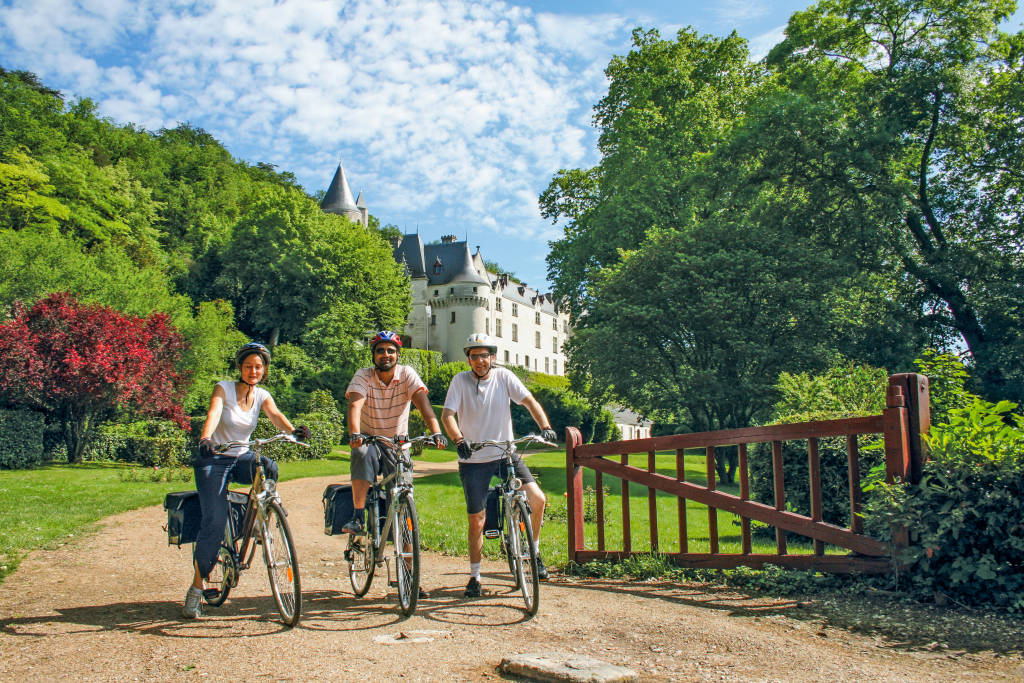
Ideal for those on their first cycling trip. No prior cycle touring experience is necessary, but you should be reasonably fit. Expect two to four hours on the saddle per day, almost entirely taking paved roads.
- Average distance per day: 12.5mi-25mi (20km-40km)
- Maximum distance per day: 31mi (50km)
- Average elevation gain per day: 0ft-330ft (0m-100m)
- Maximum elevation gain per day: 985ft (300m)
Activity Level 2 (Easy & Moderate)
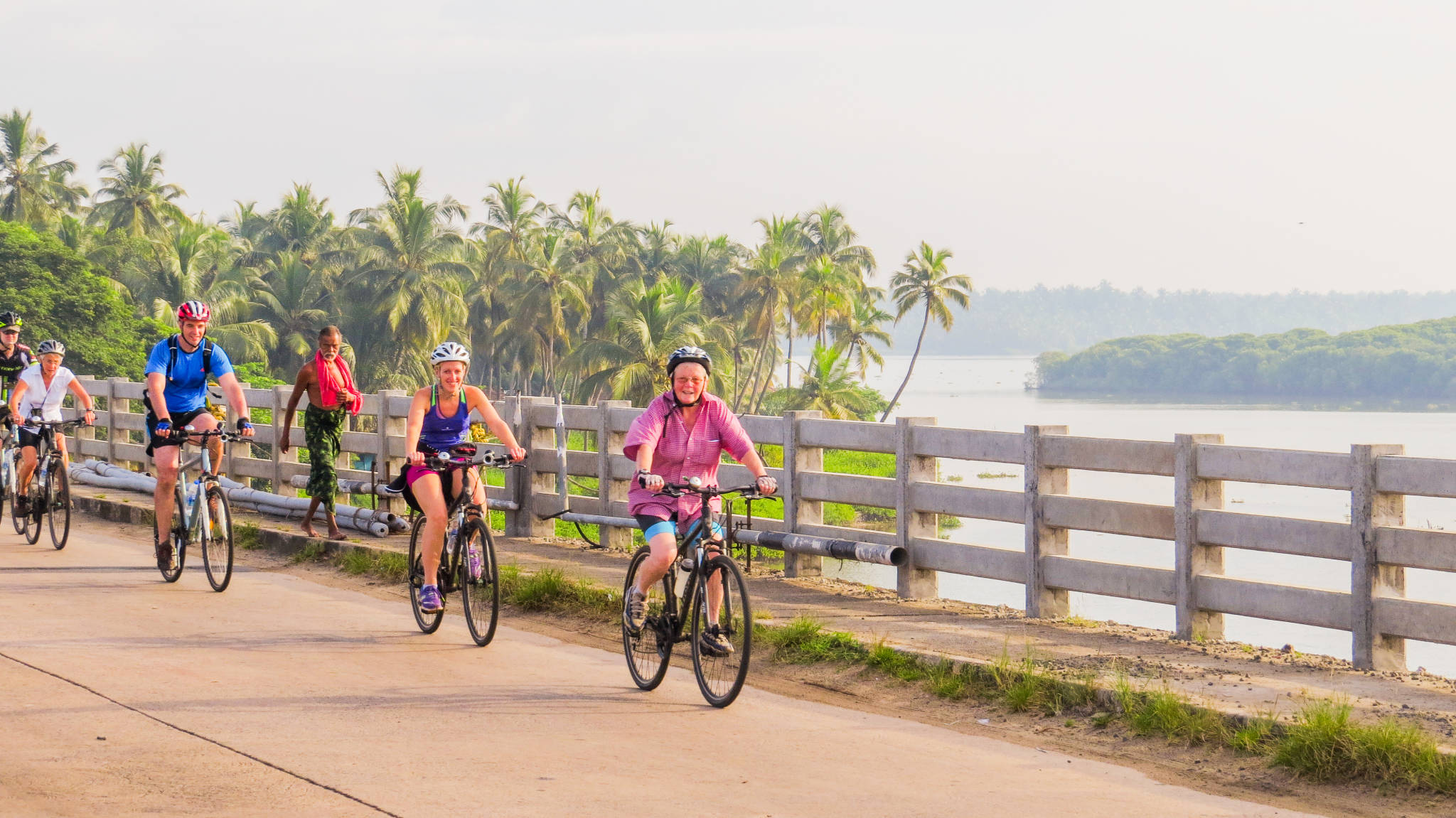
Ride from three to five hours per day, mostly on paved roads. Longer distances will be on good surfaces with limited elevation gain. Some prior cycle touring experience would be useful, but is not essential. We recommend you should be reasonably fit.
- Average distance per day: 18.5mi-37mi (30km-60km)
- Maximum distance per day: 50mi (80km)
- Average elevation gain per day: 330ft-1,310ft (100m-400m)
- Maximum elevation gain per day: 1,970ft (600m)
Activity Level 3 (Moderate)
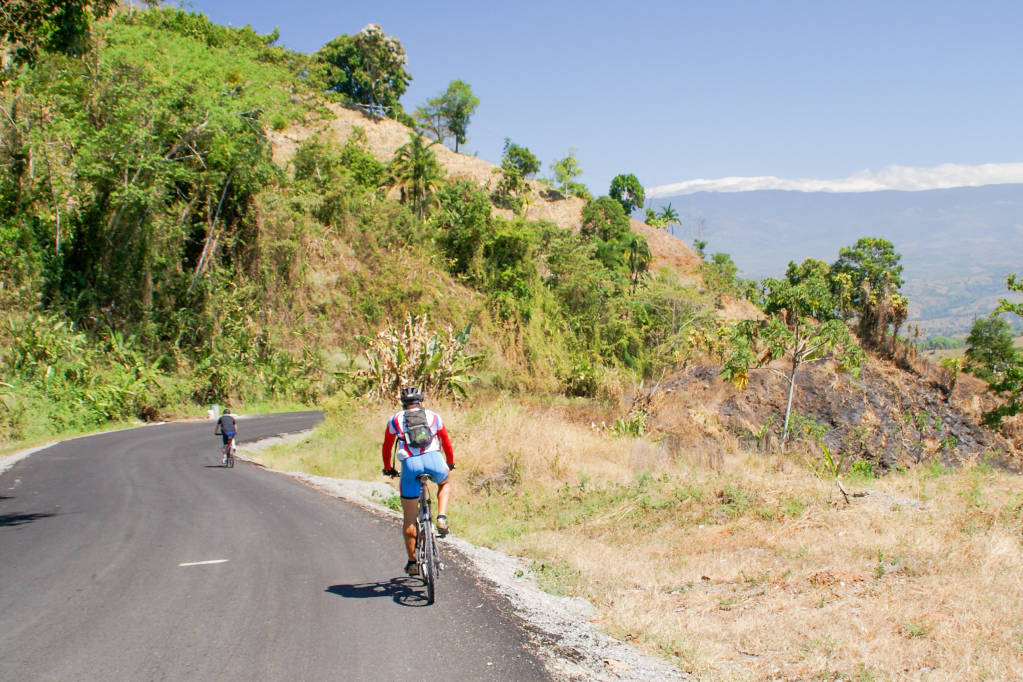
We recommend you are a confident cyclist with good fitness and some experience of longer rides. You’ll be on the saddle for five to seven hours a day and should expect to tackle some bigger climbs or longer distances.
- Average distance per day: 25mi-43.5mi (40km-70km)
- Maximum distance per day: 62mi (100km)
- Average elevation gain per day: 330ft-1,965ft (100m-600m)
- Maximum elevation gain per day: 3,280ft (1,000m)
Activity Level 4 (Moderate & Challenging)
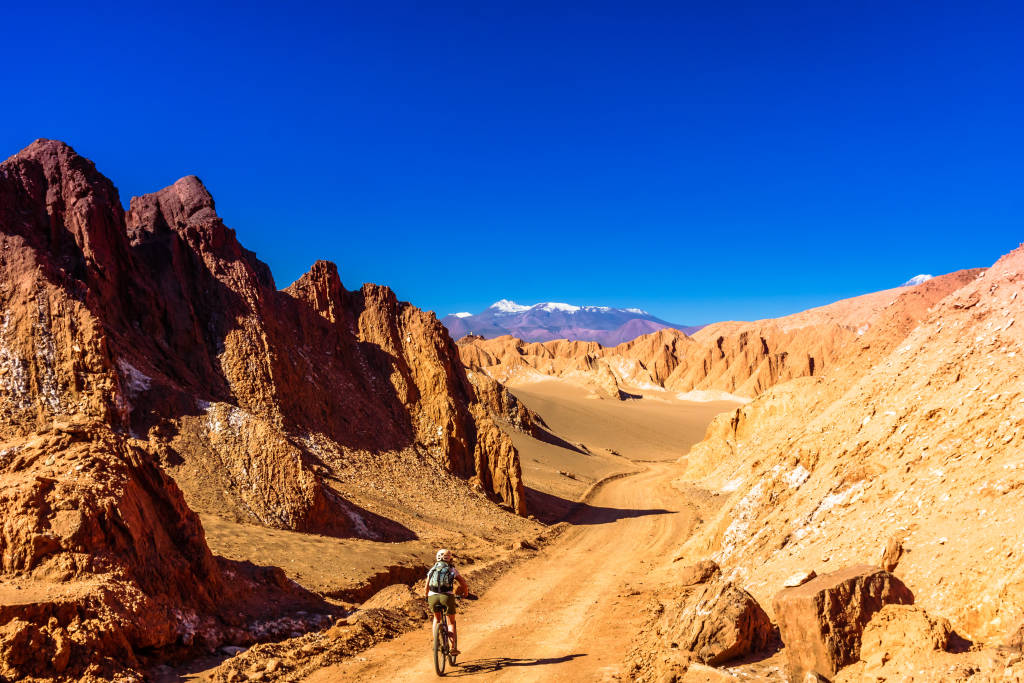
An adventure for experienced cyclists with good fitness. Expect five to seven hours of cycling per day, with some big climbs and sometimes over more challenging road surfaces.
- Average distance per day: 31mi-50mi (50km-80km)
- Maximum distance per day: 68mi (110km)
- Average elevation gain per day: 660ft-2,790ft (200m-850m)
- Maximum elevation gain per day: 4,920ft (1,500m)
Activity Level 5 (Challenging)
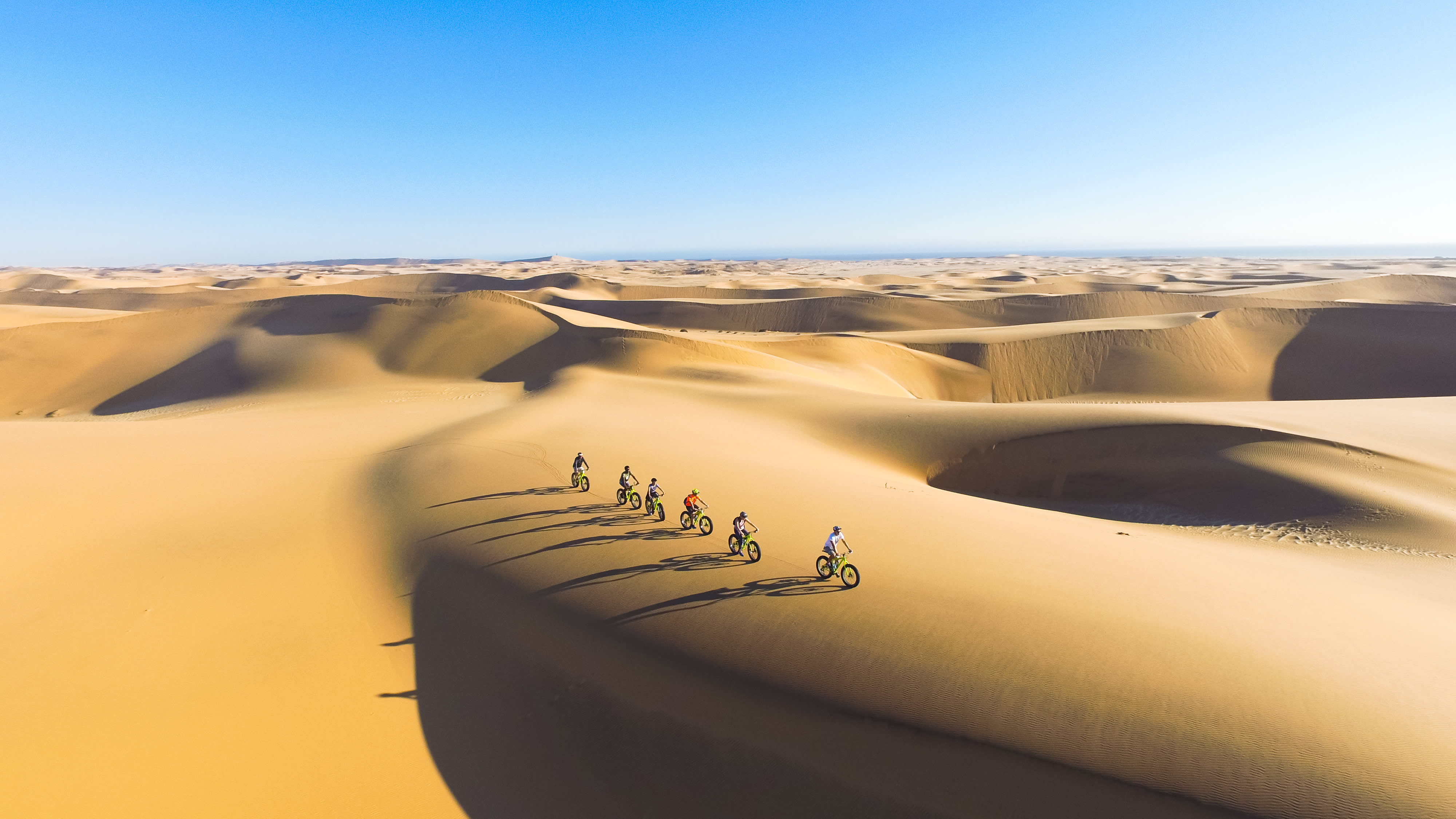
Ideal for experienced cyclists with very good fitness. You should feel comfortable cycling six to eight hours per day, including longer distances or tougher climbs, possibly over tricker terrain.
- Average distance per day: 31mi-56mi (50km-90km)
- Maximum distance per day: 75mi (120km)
- Average elevation gain per day: 655ft-3,280ft (200m-1,000m)
- Maximum elevation gain per day: 6,560ft (2,000m)
Every Exodus trip requires a sense of adventure! Choose your ideal Culture, Wildlife, Polar or Family trip by using our Activity Levels – a grading that indicates how strenuous an adventure will be.
Our trips in these programs are less active than our Walking, Cycling or Winter trips but we still apply an Activity Level to each adventure so you can judge the right trip for you. The Activity Level comprises two elements:
- Activities: The duration and difficulty of inclusions, such as on-foot sightseeing, guided walks or other adventurous activities.
- Overall pace: This refers to the length of each day, including early starts and longer journeys, as opposed to a more relaxed wake-up and some free time.
Activity Level 1 (Easy)
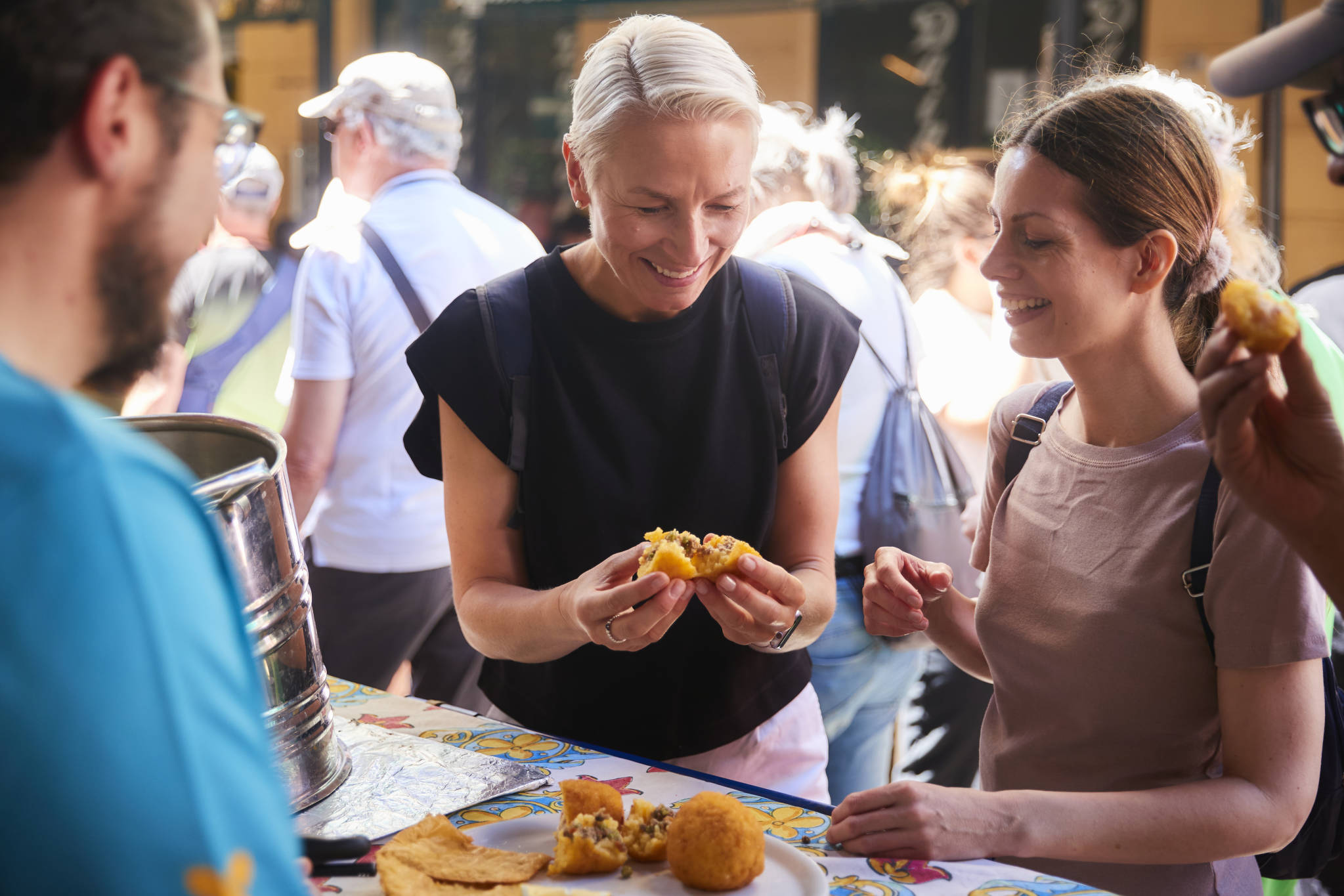
Any included activities will be easy and can be opted out of. An evenly paced trip with enough time to relax, alongside travel and sightseeing. Some days may include early starts but not usually on consecutive days.
Activity Level 2 (Easy & Moderate)
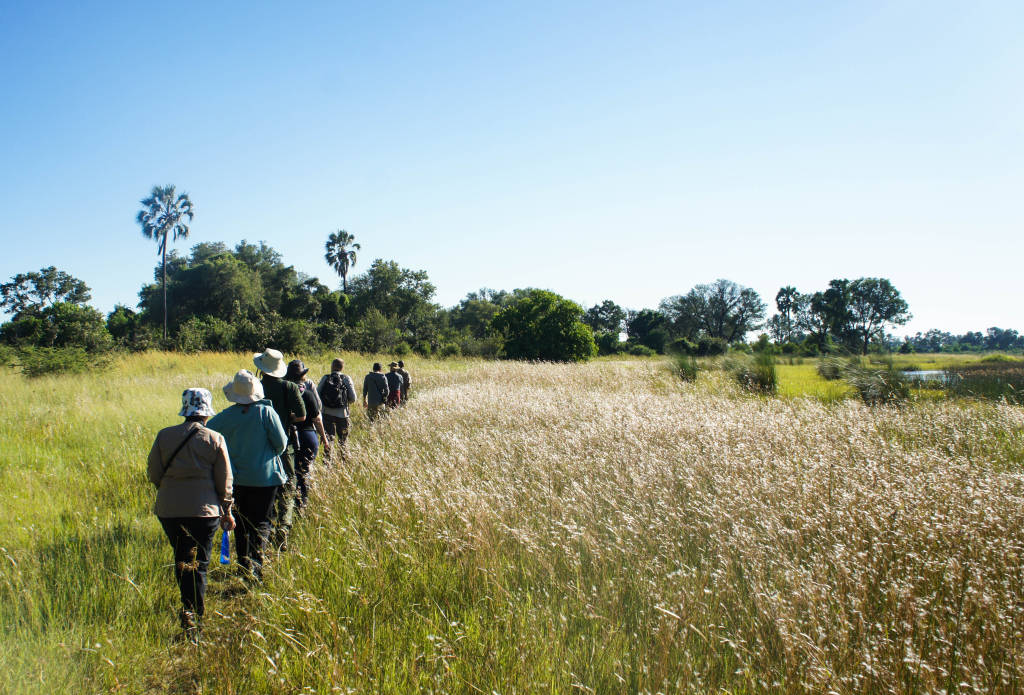
Any included activities will be easy or moderate and can be opted out of. Expect some busier days with early starts and long journeys, alongside a little free time.
Activity Level 3 (Moderate)
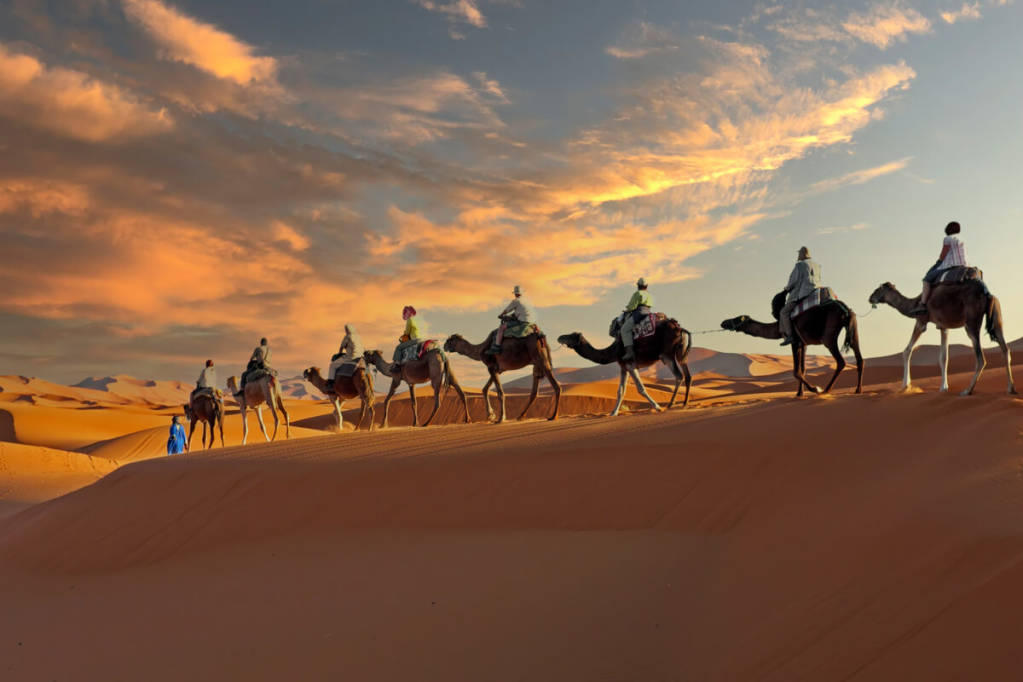
Some of the included activities may be moderately challenging but can be opted out of. Reasonable fitness is recommended to enjoy the trip to the fullest. A more full-on trip with early starts and longer days to make the most of our time away.
Activity Level 4 (Moderate & Challenging)
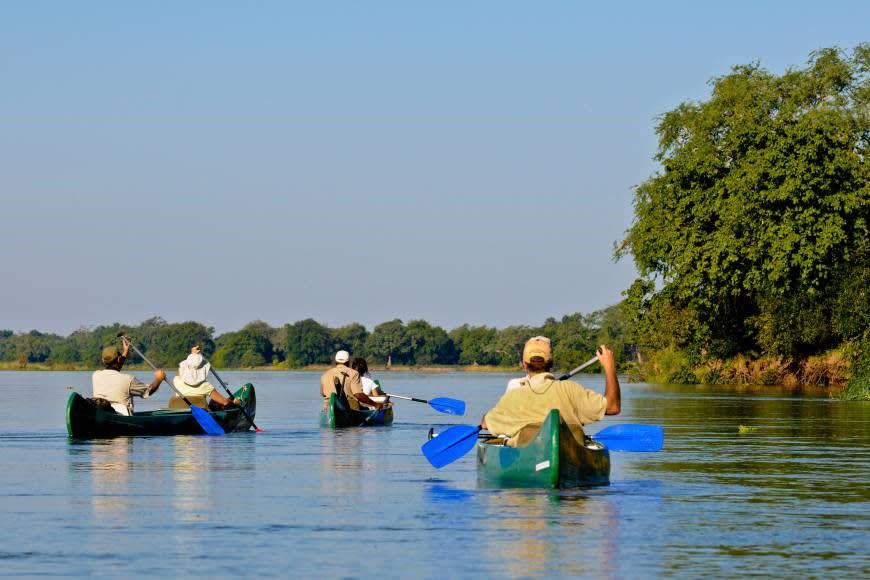
Some of the activities may be more physically demanding, such as hiking, canoeing, kayaking or cycling, so good fitness levels are required. A very busy itinerary packed with activities. Expect regular early starts and long days.
A wide variety of Winter adventures are available with Exodus. Snowshoeing Activity Levels and cross-country ski grades are shown below. Activity Levels for these trips are based on the terrain, elevation gain (and loss), distance covered and fitness requirements.
Snowshoeing
Activity Level 1 (Easy)
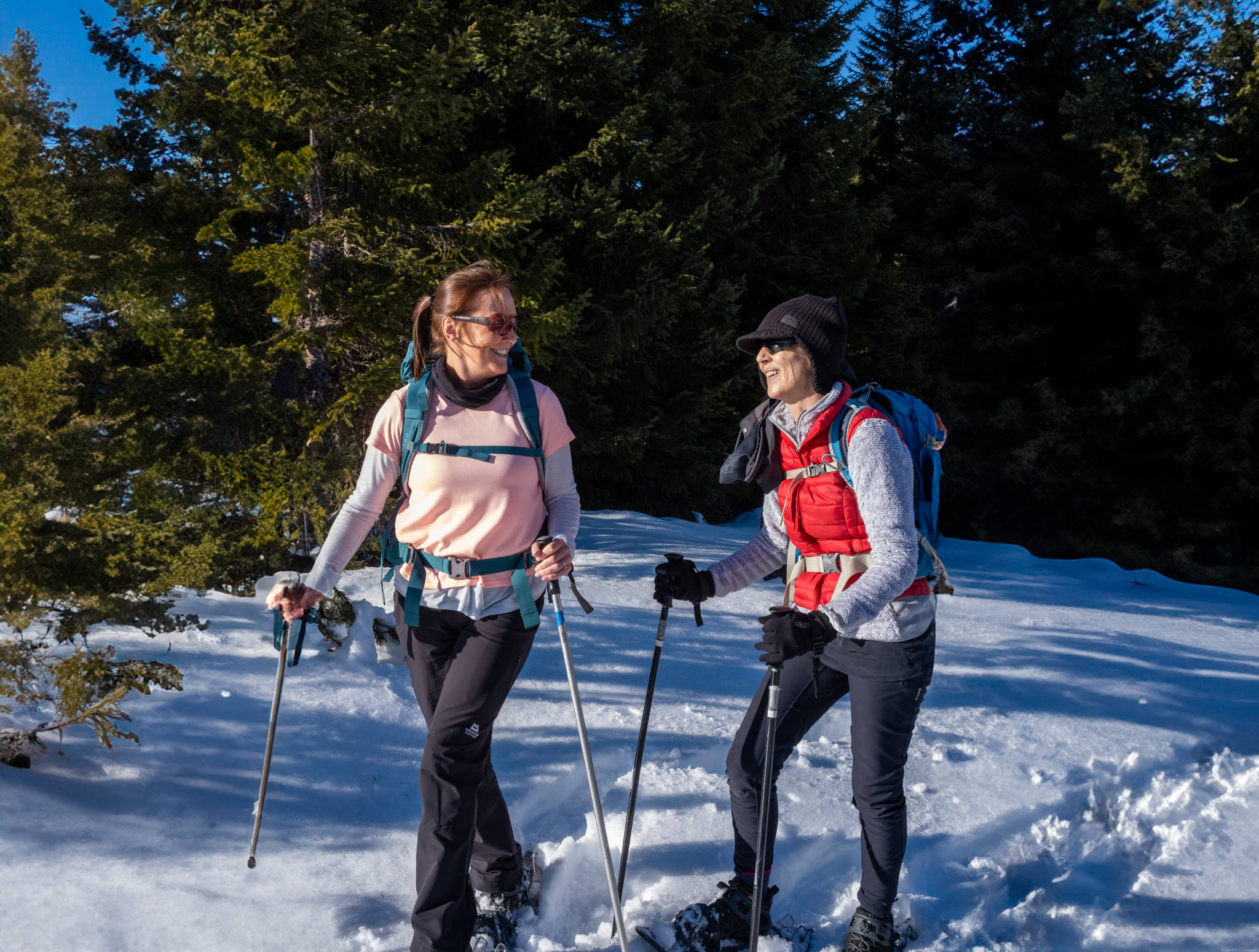
Easy activities requiring some physical effort for a short length of time. Experience is not necessary; anyone who is fit and healthy enough to complete a weekend walk will be comfortable.
Activity Level 3 (Moderate)
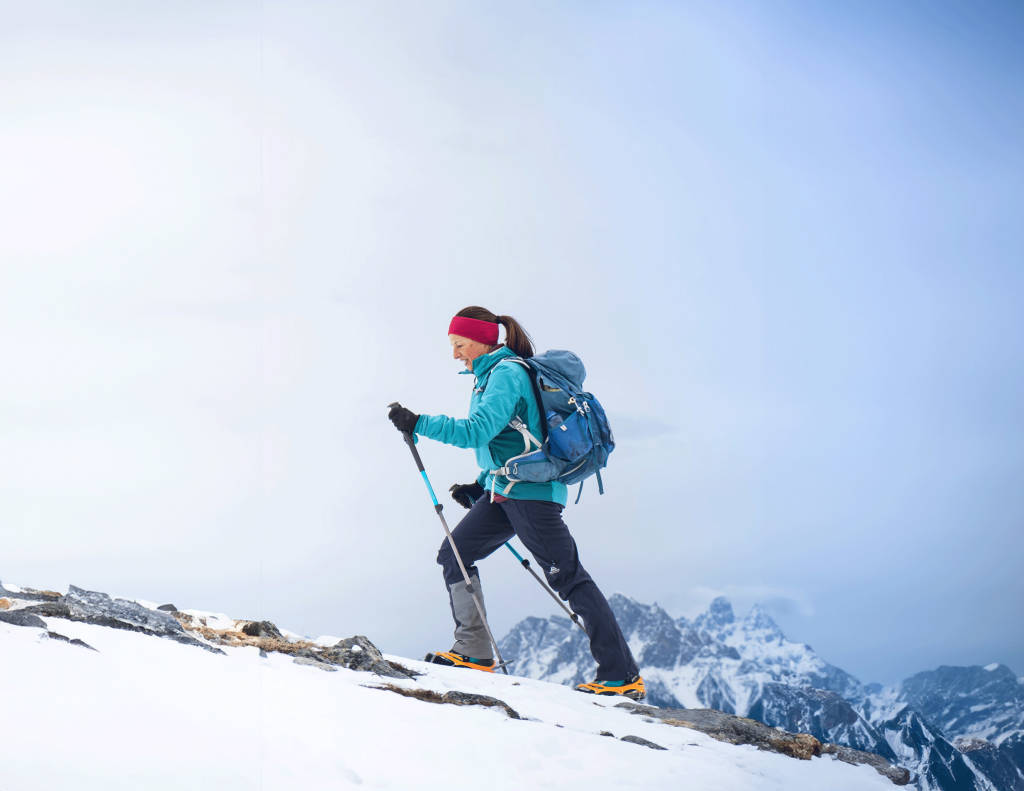
Relatively full days, with four to five hours of snowshoeing, although there may be occasional longer, harder days. Experience is not necessary, but you should be confident in your fitness level.
Activity Level 5 (Challenging)
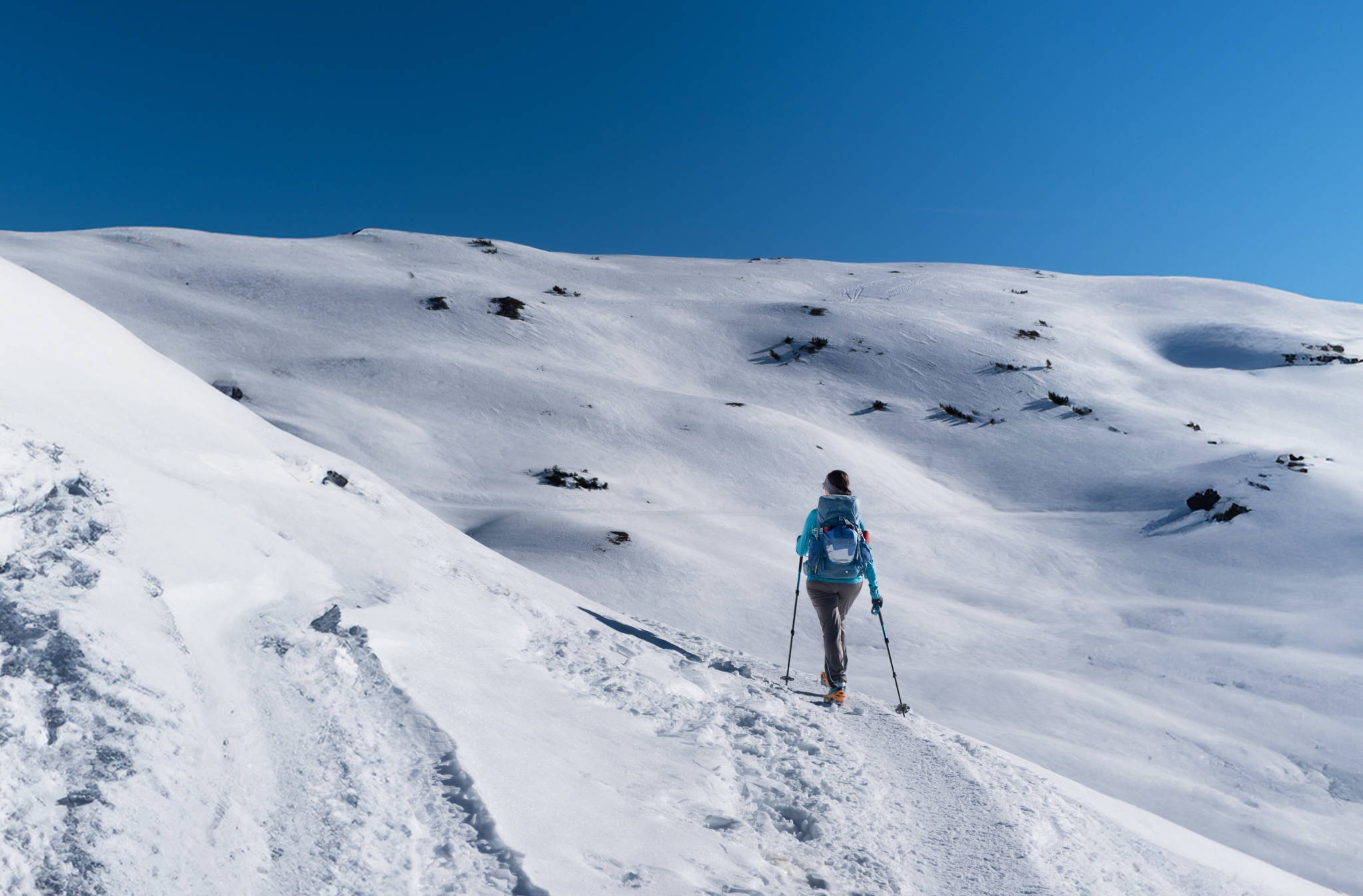
Generally, four to six hours a day, with longer ascents and a faster pace to complete circular routes. There may be more challenging sections throughout the trip. Experience of mountain snowshoeing and a good fitness level are required.
Cross-Country Skiing Grades
Exodus offers cross-country skiing holidays to suit a wide range of technical and physical abilities. Technique is paramount when cross-country skiing – as such we provide tuition on these trips and use Grades rather than Activity Levels. The aim is to create groups of similar abilities and fitness.
To help you find the right adventure for you, we’ve included an equivalent Activity Level for each Grade. But if you’d like to know more, or have any questions, feel free to call and speak to an expert.
Grade 1 Beginners

Equivalent Activity Level: 1 (Easy)
For complete beginners. We start with the basics, including how to stop using the snowplough technique and how to turn. You will be on skis for at least five to six hours a day, with a focus on tuition, getting comfortable on skis and building towards longer tours through the winter landscape. In some centres, there may also be some easy off-track skiing. This involves heading off the pre-cut tracks, typically across frozen lakes or snow-covered pastures.
Activity Level 2 Improvers
Equivalent Activity Level: 2 (Easy & Moderate)
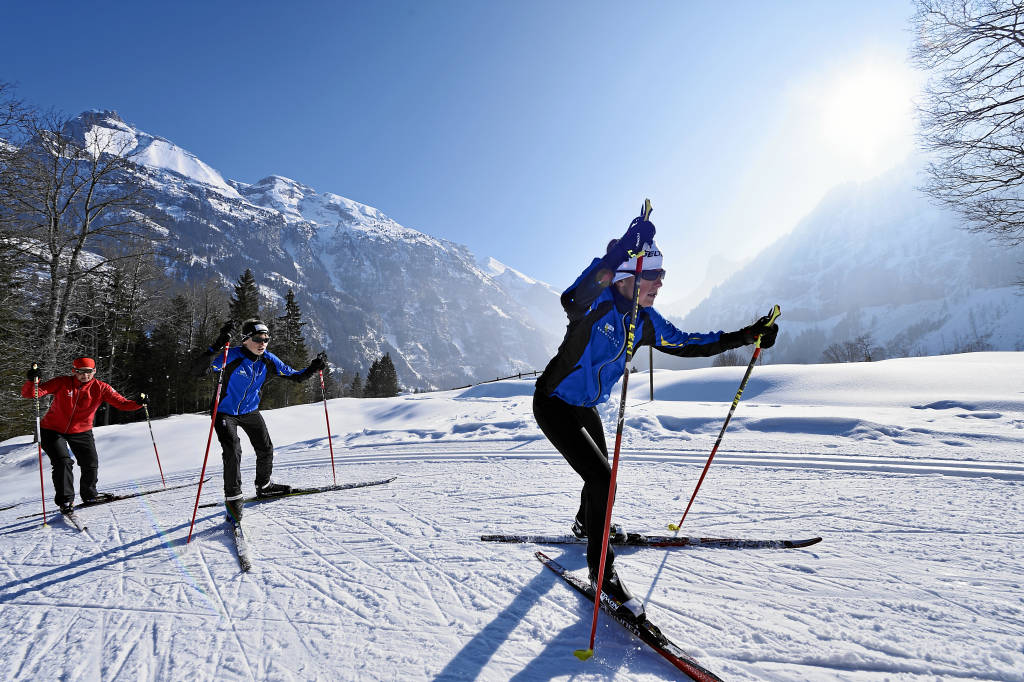
Ideal if you’ve enjoyed at least one Grade 1 trip and grasped the basics. Tuition is offered to refresh and improve technique and typically involves skiing a little further than in Grade 1 weeks, and over more varied terrain (ie more ups and downs), which requires slightly higher fitness levels. In some cases, these are acceptable for newcomers to cross-country skiing. Beginners on these weeks should be very fit and proficient in sports that develop balance (ice skating, roller skating or roller skiing) as you will need to pick up the basic technique quickly. Please contact us if you wish to book a Grade 2 holiday but have not skied before.
Grade 3 Intermediates
Equivalent Activity Level: 3 (Moderate)
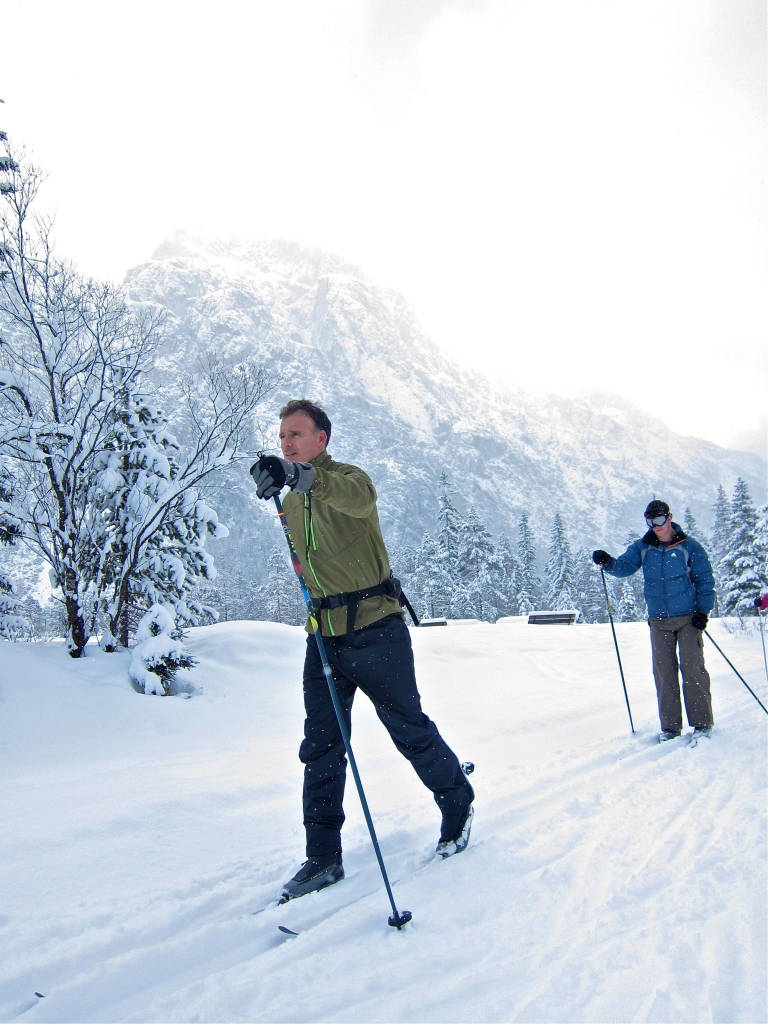
Ideal if you’re looking to push on, tackle slightly steeper terrain and cover more ground each day. Typical groups will have a few weeks’ skiing behind them, be comfortable with the basics and happy on longer day tours. There will still be tuition on these trips.
Grade 4 Advanced
Equivalent Activity Level: 4 (Moderate & Challenging)
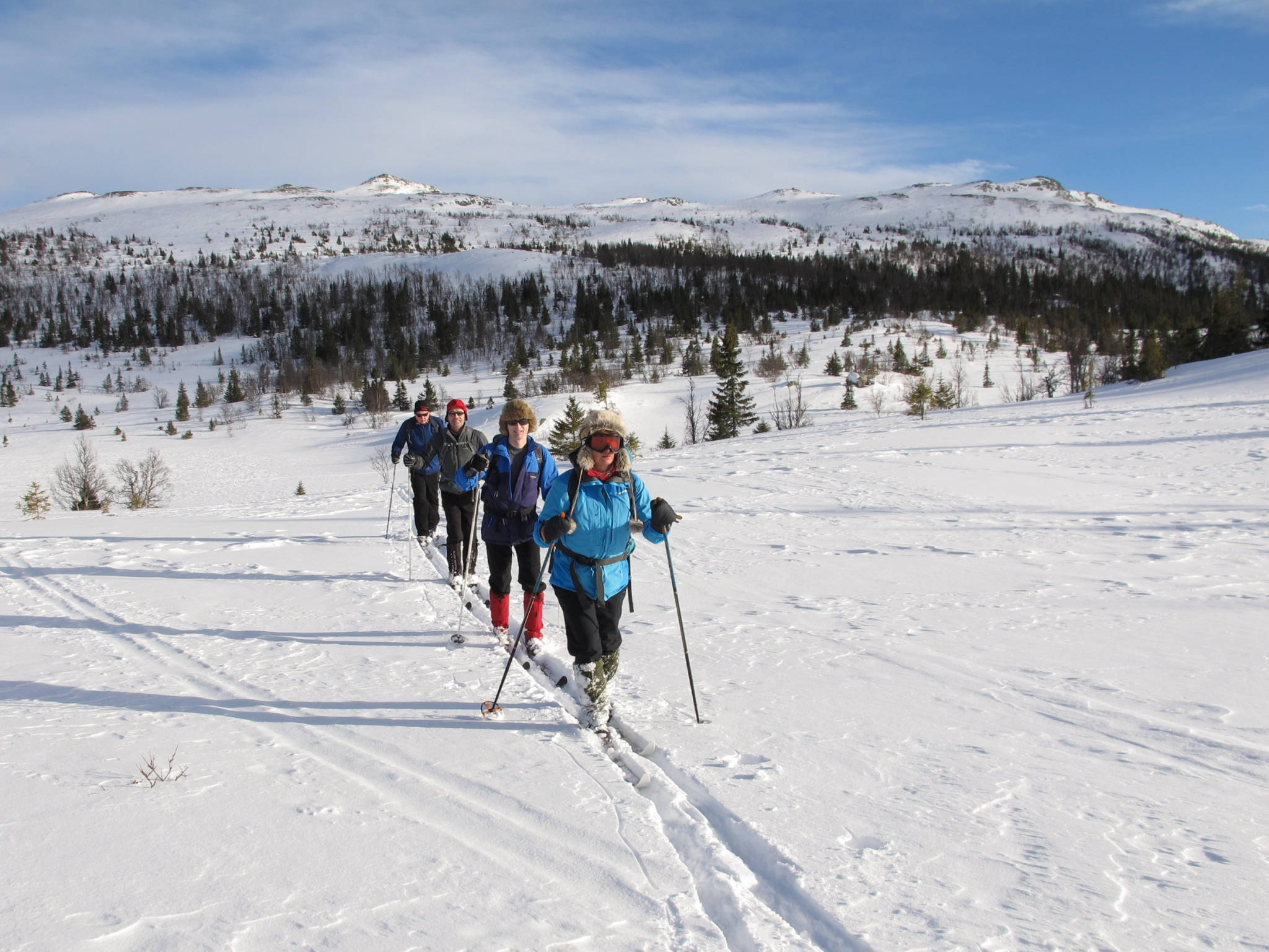
Choose this grade if you can tackle ‘ups and downs’ competently, can manage a controlled snowplough descent and want to ski at a lively pace. You should also be able to get up swiftly and easily by yourself after a fall. The mix of track and off-track skiing varies. Be prepared for long, steep ascents and descents, and for off-track skiing over variable snow. You need good fitness, stamina, and sound, controlled technique. Climbing skins will be needed on some days.
Grade 5 Challenging
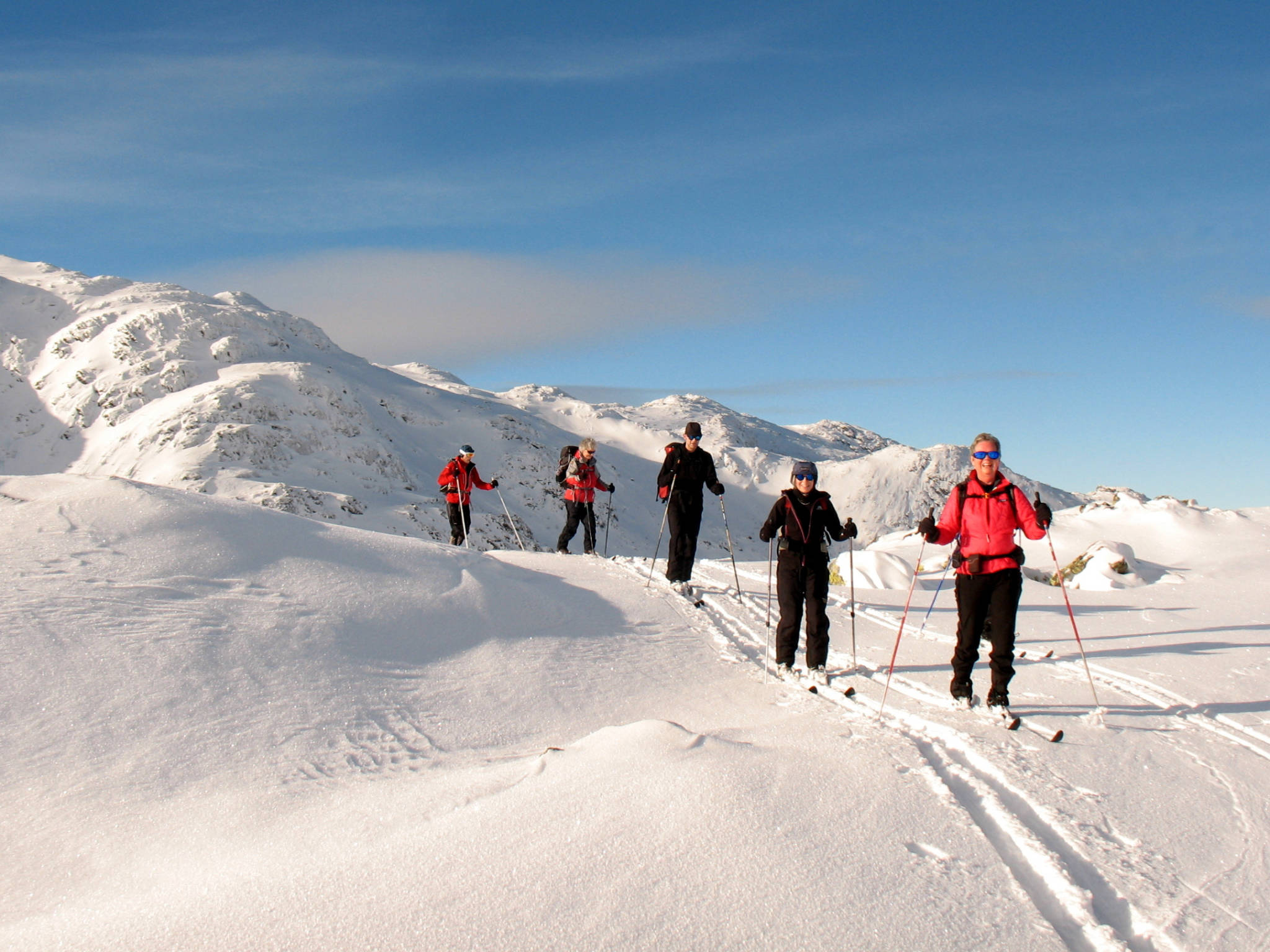
Equivalent Activity Level: 5 (Challenging)
For experienced, proficient skiers looking for long, steep ascents and descents, including off-track skiing over variable snow. Good fitness, stamina, and sound, controlled technique is required.
We stay in teahouses for most of this adventure, a classic experience for trekkers in the Himalaya. We spend the rest of our time in hotels. The accommodations we typically use are on the day-to-day itinerary; however, below are a few of the notable places we stay on this trip. Kathmandu: Royal Singi Hotel (nights 1 and 21) The Royal Singi, a three-star hotel, has been welcoming our groups for more than two decades. The name is inspired by the Snow Lion, a mythical creature in Tibetan Buddhism, which represents immense joy, positivity, delight and comfort. The hotel embraces the name with a restaurant, bar, outdoor courtyard, and complimentary wifi throughout. There’s also an Exodus desk in the lobby and an Exodus representative is usually available daily in the mornings and evenings. The Royal Singi is well located near the Thamel district, close to banks, restaurants, shops and attractions. Annapurna: Teahouses (nights 2-18) Staying in teahouses is a time-tested tradition for hikers in the Himalaya. They may be basic, but they’re a welcome sight after a day of walking among the spectacular peaks. The hub of teahouse living is the dining room, which is usually decorated with traditional rugs, sometimes with a stove or heater (some lodges charge a fee to put the heater on). Most teahouses sell snacks and other essentials such as tissues, soap and toilet paper. For the majority of the trek, we stay in twin-share bedrooms, which come with foam mattresses, bedsheets and a pillow. Remember to bring (or hire) a sleeping bag, rooms are unheated so they can get cold at night. Worth knowing Some teahouses above 9,845ft (3,000m) may not be heated due to local environmental restrictions. Occasionally, kerosene burners can be used to heat common areas if requested. We recommend against using these due to the risk of carbon monoxide poisoning. Your leader will not offer this to you. Some lodges are situated in an area controlled by the Annapurna Conservation Area Project. As part of their conservation efforts, there is a limit to the number of lodges available and therefore some of your stays will be in triple or quad shared (same-sex) rooms. Most teahouses have electricity, but it is not wholly reliable, and lighting may not be bright enough to read by – a torch (flashlight) is essential. Charging facilities are generally only available in the dining room (charged at approximately 200-500 Nepalese rupees/US$1.50-US$3.80 per hour per device). Many of the teahouses use solar power, so sometimes there is not enough electricity for charging. Many also have wifi, though it can be slow and temperamental. Most teahouses have Western-style toilets, though some may have squat style. Toilet paper is not provided, so you should bring your own or buy it locally (please dispose of it in the receptacle provided). If there is not a flush handle, there should be a container of water to pour down – if it is empty (or frozen), please refill it or ask the lodge to. Some teahouses have hot ‘showers’ (charged at approximately 250-500 rupees/US$1.90-US$3.80 per shower). Sometimes this is simply a bucket of hot water. Standards of cleanliness vary, especially in the peak trekking season and in winter when the water freezes at night. Please report any problems to your leader or the teahouse staff and be vigilant in your personal hygiene regime – use soap or hand gel before and after toilet breaks, snacks and mealtimes. Generally, the higher the altitude, the more basic the teahouse and the more expensive food and services. Extra accommodation If you require additional accommodation in Kathmandu, either before or after the tour, we can book this for you (subject to availability). Please enquire with your sales representative. Single accommodation If you prefer your own room, we offer a single supplement for the hotel nights in Kathmandu and Pokhara only (subject to availability). While in the teahouses, single rooms cannot be guaranteed so these have not been included in the single supplement price paid in advance. However, if a single room is available on arrival at a teahouse, you can pay locally on a day-by-day basis, please speak with your leader to request single rooms for the teahouse stays directly.
Self-Guided Hiking Tours
Discover self-guided hiking tours run by our sibling company, Headwater, where independent treks give you freedom. Pause or power on, cherry-pick your sightseeing, linger over lunch, or set off an hour earlier to catch the coolest part of the day. The choice is yours. And with in-depth trip notes to keep you company, you never feel rushed, or alone.
Created especially for their self-guided hiking tours, the trip notes are personally tested by their experts and give you detailed route descriptions, with all the information you need for a smooth experience. You get recommendations for the best lunch and rest spots, excursion routes and notes on places of interest. And on all their self-guided hiking trips, they transport your luggage between hotels and provide high-quality support through local suppliers, as well as 24-hour emergency assistance if required.
Summit Hiking Adventures
There are few sensations as rewarding and fulfilling as reaching the summit of a mountain. We have more than 30 years’ experience trekking the highest and most challenging mountains on Earth, so we know the importance of careful planning and expert support, especially when tackling peaks over 6000m. At Exodus, our summit walking holidays are never just about ‘peak bagging’; they combine the most enjoyable routes with the best views, while putting something back into the communities we visit too.
The thrill of standing at the highest point in a given mountain range, country or continent is unparalleled. From the challenging climb to the sense of achievement as you reach the top, our summit walking trips are more than just a holiday. We lead tours to the highest peaks in Africa, the Americas, Europe and Asia, including those in the Atlas Mountains, the Andes, the Alps and the Tatras, not to mention treks to Kala Pattar (5545m) in Nepal, and Stok Kangri (6153m) in India.
Centre-Based Hiking Tours
On all our centre-based hiking tours we stay at a small hotel, private lodge or farmhouse for the duration of the trip, taking the hassle away from having to unpack each day. There is always plenty of time to relax, with optional visits or walks available for those who wish. These trips are perfect for couples, singles or groups of friends travelling together, with each accommodation hand-picked for its character and location, quality of food and warm welcome on your return from a day’s exploration.
Centre-based hiking tours are ideal for those who are new to the activity, but also make great short breaks for more experienced walkers. And wherever you choose to go, you’ll find yourself in the heart of one of the most scenic and spectacular areas of Europe, within easy access of great walks, culture or activities.
Point-to-Point Walking Tours
Whether you camp, stay in mountain huts or use local gîtes and hotels, these treks all have one thing in common: point-to-point walking. Discover new scenery each day, from classic routes like the Tour du Mont Blanc to destinations further afield, from Everest Base Camp to The Inca Trail. On most point-to-point walking trips we’ll transport your luggage for you, so you only have to carry a day pack.
Coastal Hiking Tours
With sweeping golden sands and sparkling seas as far as the eye can see, it’s easy to understand why coastal hiking trips are more popular than ever. In fact, our Walking the Amalfi Coast itinerary is the most popular Exodus trip of all time.
With the lure of picturesque spots for picnic lunches, sunny climates and spectacular ocean views, coastal hiking tours provide the perfect mix of activity and relaxation. And from the Mediterranean hotspots of the Cinque Terre and the French Riviera to the azure waters of the Aegean Sea, there are plenty of enticing options to choose from!
Desert Trekking Tours
Desert trekking is, for many, the ultimate adventure, synonymous with explorers and pioneers of the past. To walk in a world without paths, without permanent settlers, is liberating. Desert hiking trips take you deep into a land of extremes, a remote yet rewarding environment unlike any other. No people, no pollution, just the sound of the wind and a vast, uncompromising expanse of desert ahead.
On Exodus desert trekking tours you can discover Wadi Rum, a landscape characterised by rust-red sandstone hills and soft, undulating dunes that inspired sets of huge Hollywood blockbusters such as ‘Lawrence of Arabia’ and ‘Prometheus’. Or, explore Morocco’s remote southwest, where kasbahs perch above terraced valleys and desert oases, and distant peaks shimmer in the haze. Either way, with 44 years of experience, Exodus can lead the way.
Wildlife Walking Tours
The best way to get a real feel for wildlife is on foot. Remote trekking, wonderful wildlife, local lodges: on our wildlife hiking tours you’ll get closer to nature than ever before. You’ll never forget the thrill of trying to be silent as you step over a rustling bush on the jungle floor, trying to catch a glimpse of a nearby creature. You can spot mountain gorillas on a trek through Rwanda, search for a snow leopard in the snowcapped Indian Himalaya or explore bear territories in Romania. On a hiking safari you’ll have a truly immersive experience taking in the tracks, smells and other signs of animal life.
Wildlife wellbeing and habitat preservation is central to our philosophy, which is why we make sure that all of our wildlife hiking trips are sustainable and give back to the communities in which they operate. Positive-impact tourism can bring benefits to many communities, help preserve the environments we travel to see, and provide real and positive social exchanges. Find out more about responsible travel here.
Snowshoeing Hiking Tours
There’s nothing quite like hiking through a winter wonderland, no matter what level of challenge you’re after. It’s far less technical than skiing, and with our expert guides on hand to help, you can master snowshoeing in minutes. Using our own two feet, the opportunity for winter exploration is endless.
On all our showshoeing trips we provide the snowshoes, hiking poles and, on the tougher treks, avalanche transceivers – the only specialist equipment you will need. Hiking through snow with the aid of snowshoes is an excellent way to travel through the winter landscape without needing the technical skills of a skier. Snowshoes work by distributing your weight over a larger area so that your feet don’t sink completely into the snow. Most modern snowshoes are made of light metal or plastic, with the heel left ‘free’ (as on cross-country skis) as this makes walking easier. Ski or walking poles help with both rhythm and balance. If you can walk, then you can snowshoe – it really is as simple as that!
Hiking & Trekking Trips
Some of the best views in the world can only be reached on foot. Whether you seek the challenge of ascending the world’s tallest free-standing mountain, the tranquility of a rainforest trail echoing with howler monkeys, or the dramatic vistas along the Path of the Gods on the Amalfi Coast, our hiking and trekking tours invite you to immerse yourself in the beauty of the world at your own pace.
Walking and hiking tours are ingrained in our history, dating back over 50 years to our inaugural group hikes through the Nepalese Himalayas. Today, as one of the world’s best hiking companies, we boast an extensive array of walking tours globally, led by some of the most qualified hiking guides in the world. Each hiking tour is a testament to our dedication to environmental and social responsibility, making your journey not only a personal adventure but also a meaningful contribution to the world we explore.
From the secluded coves of Sardinia to the cloud-kissed peaks of Bhutan and the iconic summits like Kilimanjaro, our guided hiking vacations promise not only awe-inspiring landscapes but also meaningful connections with the places we visit. Join us as we continue to weave our legacy into the trails we tread, ensuring each step leaves a positive impact on both the adventurer and local communities.
Our Cycling Adventures
Trade the tour bus for two wheels and discover a world beyond the glossy guidebook images. Our biking tours take you straight into the heart of each destination, led by our expert local guides who know every hidden vineyard, backroad, and café worth stopping for.
Whether you’re cruising through the Loire Valley in France, conquering Morocco’s High Atlas passes, or coasting past jungles and temples in Vietnam, there’s a ride to match every ambition (and saddle tolerance).
We’ve spent over 50 years perfecting these adventures and handling all the logistics, so you can just clip in and enjoy the ride. Each tour is graded by difficulty, combining on- and off-road routes with the right level of support, should you need it. Prefer to let the e-bike do some of the work? No problem – many of our biking tours now include e-bike availability.
With small groups and a commitment to giving back to local communities, you’ll travel responsibly – and never feel like just another biker in the crowd.
Mixed-Activity Tours
Can’t decide what you want to do on vacation, or want to try it all? Exodus’ mixed-activity trips offer a different challenge each day, whether that’s learning a new skill or finding a fresh perspective on another culture. All you need to join one of our mixed-activity tours is an up-for-it attitude and a reasonable level of fitness. We’ll do the rest.
And who knows where you’ll find yourself… You could be zip lining through Costa Rica’s rainforest; kayaking along the beautiful Dordogne; or wildlife-watching as you canoe the Zambezi River. You could be peddling through Vietnam’s rice paddies; white-water rafting the wild beauty of the Pyrenees; or canyoning in Spain’s wild Sierra de Aitana. For a winter adventure with a difference, our winter mixed-activity trips are the perfect introduction to life in the snow and include cross-country skiing, dogsledding and igloo building, all in stunning snow-wrapped landscapes.
Winter Holidays
Imagine snowshoeing along frozen rivers, following reindeer tracks through primeval forests or bunking down in a hunter’s lodge, our winter holidays give you the opportunity to embrace the beauty and tranquility of snowy landscapes while enjoying exhilarating activities.
Finland is home to fairytale scenery and vibrant culture and is a popular destination for winter trips. Experience the thrill of snowmobiling through snow-dusted forests and across frozen lakes as you immerse yourself in the serenity of the vast wilderness.
For anyone seeking a more challenging adventure, the Dolomites in Italy provide a stunning backdrop for cross-country skiing. Glide through pristine snow-covered meadows and forests while taking in the immense mountain vistas and explore the wide variety of trails that wind among rugged peaks.
One of the most awe-inspiring spectacles of the winter season can be witnessed in Iceland – the Northern Lights. This mesmerising dance of colourful lights illuminating the night sky captivates visitors from around the world. The Aurora can also be witnessed in the Arctic Circle, where the sky comes alive with neon lights in shades of green, pink and purple.
All our winter holidays provide you with perfect opportunities to explore a variety of activities among awe-inspiring destinations around the world. Whether you choose to go husky sledding through the glistening Finnish forests or cross-country skiing in the mighty Dolomites, every experience will bring you closer to nature and let you delve further into the culture, history and traditions of each destination you visit.
Making Memories Together
At Exodus, we understand that family travel adventures should be more than just a theme park or a day at the beach. Our family tours are the perfect way to create unforgettable memories with your loved ones! Whether you’re playing pirate on an overnight houseboat stay in Vietnam on our Vietnam Family Adventure, stretching fresh mozzarella and learning to make authentic Italian pizza together with locals on our Amalfi Coast Family Adventure, or just exploring a new culture – there is always something thrilling and exciting on our family travel adventures. Our guides are experienced in touring with children and families, and our itineraries are carefully crafted with the needs of a family in mind.
One size never fits all though, especially when kids are involved. We offer both small group tours with set departures and private guided tours. If you don’t find the dates you want or prefer to travel with just your own family and friends, we got you covered! Exodus family adventures are designed to offer a perfect balance of education and exploration, with plenty of downtime to ensure everyone returns feeling refreshed. Our family adventure travels are designed to inspire the next generation of explorers, from game spotting in Namibia to splashing in thermal pools in Costa Rica, we have adventures all over the globe to suit your family!
Tailored to children
Each family travel adventure is tailored to one of two age ranges 9-12 and 13-16, though children outside of these age brackets are still very welcome. Each trip also has a child-centric activity grading that tells you how challenging the trip will be for kids. This grading system is based on the itinerary’s physical demands, how much time is spent traveling, and how busy the schedule is.
Great value
Our trips are designed to give you maximum value for money, often including the accommodation, local tour guides, and authentic, experiential activities. Child prices are 25% lower than the adult cost (10% lower for trips in North America) for Exodus-operated guided trips, up to the age of 16.
Treading carefully
We are committed to ensuring that future generations can continue to explore the world, so we strive to leave as small of an impact as we can. With your family’s help, we support the local communities that graciously share their homes with us through various projects, championing local businesses and creating jobs. We have initiated projects to eliminate single-use plastic bottles, take children on adventures in their homeland for the first time, and support community projects all over the world. Learn more about our commitment to sustainability and join us on an unforgettable journey!
Our Cultural Tours
The evocative swirl of incense in a temple, a refreshing cup of chai on a desert roadside, or the wonder of the Taj Mahal at sunrise. These are just some of the magical experiences that will leave your senses tingling on our cultural tours. Embark on a voyage where you’ll explore the traditions, history, and daily life of communities around the globe. Whether you’re drawn to the vibrant colors of a bustling market in Marrakech, the serene temples of Kyoto, the lively streets of Havana, or the ancient ruins of Machu Picchu, our culture-focused trips are designed to connect you with the soul of each place. They offer more than just sightseeing; they provide a deep dive into the essence of each destination.
We curate every aspect of our cultural trips to ensure you encounter the real essence of a destination. From staying in a family-run hotel on the Amalfi Coast to savoring street food in Bangkok, every moment is crafted to foster genuine connections and understanding. With expert guides leading the way, you’ll gain insights into ancient traditions, modern lifestyles, and the rich tapestry of cultures that make our world so diverse.
Join our community of like-minded explorers and embrace the transformative power of travel. Whether you’re a seasoned globetrotter or embarking on your first adventure abroad, our cultural trips offer something for everyone. Expand your horizons as you marvel at the architectural wonders of Egypt’s pyramids, stay in a Bedouin camp in Jordan, or explore the intricate alleyways of Istanbul. Let’s embark on a journey together, where every step is a celebration of diversity, curiosity, and the beauty of our shared humanity.
Our Wildlife Trips
Immerse yourself in the wild wonders of the world with our extraordinary wildlife tours. From the icy realms of the Arctic to the sun-drenched African savannah, Exodus takes you on wildlife adventures that bring you within arm’s reach of some of the planet’s most unique, dangerous, and beautiful creatures.
Follow in the footsteps of bears in pristine snow on a bear-watching expedition, glide past a lounging jaguar while paddling along a tranquil river, or wake up to the majestic trumpeting of elephants echoing through the wilderness. Venture beyond the ordinary into the habitats of animals big and small for one-of-a-kind adventures.
Journey to Indonesia and come face-to-face with the forked-tongued Komodo dragons, or venture into the lush jungles of Borneo to witness the endangered orangutans swinging through the canopy, a testament to the fragile beauty of our planet. Head west to the Galapagos Islands, where Darwin’s legacy lives on in the enchanting wildlife that inspired his groundbreaking work, or travel east to India and be mesmerized by the elusive Bengal tigers on one of our safari wildlife treks.
From whale watching to safaris and from Costa Rican rainforests to Transylvanian mountains, our small-group guided wildlife vacations take you off the beaten path in search of creatures of all kinds. Join us as we unlock the secrets of the natural world, one unforgettable journey at a time. Your adventure begins here, where the wild beckons with open arms.
Polar Cruises
If you’re looking for an adventure of a lifetime, look no further than a polar trip! Step aboard an icebreaker ship and encounter the spectacular beauty of the Arctic and Antarctic regions. From stunning glaciers to majestic icebergs, a kaleidoscope of blues, and an abundance of fascinating wildlife, including walruses, polar bears, seals, penguins, and whales. Once explored by only seasoned adventurers, you can now explore the poles in comfort on one of our Polar trips. Our small ships are crewed by passionate staff who will ensure you have the trip of a lifetime. See our Polar Fleet page for more details on our ships.
Join award-winning photographer Paul Goldstein on an unparalleled photographic expedition to capture majestic Polar bears and thousands of regal King penguins through the lens. Paul’s enthusiasm for the polar regions is unparalleled – for photographers and nature enthusiasts, these expeditions are an absolute must. If you’re up for an epic journey full of wonder and discovery, then a polar cruise is for you!
Quark Expeditions Price Match:
We are proud to offer award-winning polar expeditions through our sister company Quark Expeditions and strive to offer the highest quality adventures at the best possible prices. If you see a Quark voyage listed cheaper elsewhere, we promise to match the price like-for-like.
Choose your ideal Walking, Hiking & Trekking trip by using our Activity Levels – a grading that indicates how strenuous an adventure will be. To calculate Activity Levels, which run from Easy to Tough, we consider walking distance, elevation gain (and loss) and the trail conditions, plus altitude where necessary.
All trips have a walking profile showing the daily distances and a description of the expected conditions. On occasion, a walk may exceed the maximum stated below; in these instances, we feel the correct Activity Level has been assigned based on the difficulty of the trip as a whole. With the support of our experienced guides, these walks often provide a fun challenge for the group!
Read on for a breakdown of what each Activity Level means.
Activity Level 1 (Easy)
Ideal for those new to walking trips. The pace will be easy, and the itinerary often includes some half-day walks to allow for visits or free time. Expect two to four hours of walking per day on easy paths, with some minor ascent or descent.
- Average distance per day: 2.5mi-4mi (4km-6km)
- Maximum distance per day: 5mi (8km)
- Average elevation gain per day: 165ft-985ft (50m-300m)
- Maximum elevation gain per day: 1,640ft (500m)
Activity Level 2 (Easy & Moderate)
Expect generally easy trails, but with some ascent and descent on most days. Some walks may meet the criteria for Activity Level 3 (Moderate). Therefore, you should be comfortable with three to five hours of walking per day and enjoy reasonably regular walks at home. The paths will be non-technical but could involve some short uneven sections. Maximum ascents will be no more than 2,295ft (700m), while longer days with less ascent could cover up to 8.5mi (14km).
- Average distance per day: 4.5mi-7mi (7km-11km)
- Maximum distance per day: 8.5mi (14km)
- Average elevation gain per day: 655ft-1,970ft (200m-600m)
- Maximum elevation gain per day: 2,295ft (700m)
Activity Level 3 (Moderate)
The inclusion of more hilly or even mountainous terrain makes this grade suitable for fit and frequent hikers. Underfoot conditions could be rocky or with some loose gravel; on wider trails, we may encounter some steep drops to one side. The maximum ascent could be up to 3,600ft (1,100m) in one day. We typically walk for four to seven hours per day.
- Average distance per day: 5mi-9mi (8km-15km)
- Maximum distance per day: 11mi (18km)
- Average elevation gain per day: 985ft-2,625ft (300m-800m)
- Maximum elevation gain per day: 3,600ft (1,100m)
Activity Level 4 (Moderate & Challenging)
An adventure made for experienced hikers and hill walkers with good fitness, normally in mountainous terrain and sometimes at altitude with varied and occasionally challenging conditions underfoot. Walks on some days may meet the criteria for Activity Level 5 (Challenging). Expect five to seven hours of walking per day.
- Average distance per day: 5.5mi-10.5mi (9km-17km)
- Maximum distance per day: 12.5mi (20km)
- Average elevation gain per day: 1,640ft-2,955ft (500m-900m)
- Maximum elevation gain per day: 4,265ft (1,300m)
Activity Level 5 (Challenging)
Ideal for experienced mountain hikers and trekkers with very good fitness. You could be walking longer distances (maximum 15.5mi/25km) for consecutive days. In the mountains, the maximum ascent would be 4,920ft (1,500m) in a day. You should feel comfortable walking six to eight hours per day, with sections of technical terrain (uneven ground with some loose rock, some narrow paths). Most itineraries include some days walking at altitude.
- Average distance per day: 6mi-12.5mi (10km-20km)
- Maximum distance per day: 15.5mi (25km)
- Average elevation gain per day: 2,955ft-3,280ft (900m-1,000m)
- Maximum elevation gain per day: 4,920ft (1,500m)
Activity Level 6 (Challenging & Tough)
For experienced mountain hikers and trekkers only. Expect high mountain terrain, remote areas and probably consecutive days at high altitude. Excellent fitness and mobility levels are essential. Expect technical terrain on some days and walks of seven to nine hours per day.
- Average distance per day: 6mi-12.5mi (10km-20km)
- Maximum distance per day: 15.5mi (25km)
- Average elevation gain per day: 2,955ft-3,940ft (900m-1,200m)
- Maximum elevation gain per day: 5,580ft (1,700m)
Activity Level 7 (Tough)
Our toughest Walking & Trekking trips normally involve the ascent of a summit, usually above the snowline and at high altitude. Expect technical terrain on most days, often using crampons and ice axes. Average daily hikes are between eight and 10 hours. Previous experience and excellent fitness and mobility are essential.
- Average distance per day: 6mi-12.5mi (10km-20km)
- Maximum distance per day: 15.5mi (25km)
- Average elevation gain per day: 2,955ft-4,265ft (900m-1,300m)
- Maximum elevation gain per day: 6,230ft (1,900m)
Choose your ideal Cycling trip by using our Activity Levels – a grading that indicates how strenuous an adventure will be. To calculate Activity Levels, which run from Easy to Tough, we consider cycling distance, elevation gain (and loss) and the road surface; the availability of vehicle support does not affect the grading.
All trips have a cycling profile showing the daily distances and a description of the expected conditions. On occasion, a ride may exceed the maximum stated below; in these instances, we feel the correct Activity Level has been assigned based on the difficulty of the trip as a whole. With the support of our experienced guides, these rides often provide a fun challenge for the group!
Read on for a breakdown of what each Activity Level means.
Activity Level 1 (Easy)
Ideal for those on their first cycling trip. No prior cycle touring experience is necessary, but you should be reasonably fit. Expect two to four hours on the saddle per day, almost entirely taking paved roads.
- Average distance per day: 12.5mi-25mi (20km-40km)
- Maximum distance per day: 31mi (50km)
- Average elevation gain per day: 0ft-330ft (0m-100m)
- Maximum elevation gain per day: 985ft (300m)
Activity Level 2 (Easy & Moderate)
Ride from three to five hours per day, mostly on paved roads. Longer distances will be on good surfaces with limited elevation gain. Some prior cycle touring experience would be useful, but is not essential. We recommend you should be reasonably fit.
- Average distance per day: 18.5mi-37mi (30km-60km)
- Maximum distance per day: 50mi (80km)
- Average elevation gain per day: 330ft-1,310ft (100m-400m)
- Maximum elevation gain per day: 1,970ft (600m)
Activity Level 3 (Moderate)
We recommend you are a confident cyclist with good fitness and some experience of longer rides. You’ll be on the saddle for five to seven hours a day and should expect to tackle some bigger climbs or longer distances.
- Average distance per day: 25mi-43.5mi (40km-70km)
- Maximum distance per day: 62mi (100km)
- Average elevation gain per day: 330ft-1,965ft (100m-600m)
- Maximum elevation gain per day: 3,280ft (1,000m)
Activity Level 4 (Moderate & Challenging)
An adventure for experienced cyclists with good fitness. Expect five to seven hours of cycling per day, with some big climbs and sometimes over more challenging road surfaces.
- Average distance per day: 31mi-50mi (50km-80km)
- Maximum distance per day: 68mi (110km)
- Average elevation gain per day: 660ft-2,790ft (200m-850m)
- Maximum elevation gain per day: 4,920ft (1,500m)
Activity Level 5 (Challenging)
Ideal for experienced cyclists with very good fitness. You should feel comfortable cycling six to eight hours per day, including longer distances or tougher climbs, possibly over tricker terrain.
- Average distance per day: 31mi-56mi (50km-90km)
- Maximum distance per day: 75mi (120km)
- Average elevation gain per day: 655ft-3,280ft (200m-1,000m)
- Maximum elevation gain per day: 6,560ft (2,000m)
Every Exodus trip requires a sense of adventure! Choose your ideal Culture, Wildlife, Polar or Family trip by using our Activity Levels – a grading that indicates how strenuous an adventure will be.
Our trips in these programs are less active than our Walking, Cycling or Winter trips but we still apply an Activity Level to each adventure so you can judge the right trip for you. The Activity Level comprises two elements:
- Activities: The duration and difficulty of inclusions, such as on-foot sightseeing, guided walks or other adventurous activities.
- Overall pace: This refers to the length of each day, including early starts and longer journeys, as opposed to a more relaxed wake-up and some free time.
Activity Level 1 (Easy)
Any included activities will be easy and can be opted out of. An evenly paced trip with enough time to relax, alongside travel and sightseeing. Some days may include early starts but not usually on consecutive days.
Activity Level 2 (Easy & Moderate)
Any included activities will be easy or moderate and can be opted out of. Expect some busier days with early starts and long journeys, alongside a little free time.
Activity Level 3 (Moderate)
Some of the included activities may be moderately challenging but can be opted out of. Reasonable fitness is recommended to enjoy the trip to the fullest. A more full-on trip with early starts and longer days to make the most of our time away.
Activity Level 4 (Moderate & Challenging)
Some of the activities may be more physically demanding, such as hiking, canoeing, kayaking or cycling, so good fitness levels are required. A very busy itinerary packed with activities. Expect regular early starts and long days.
A wide variety of Winter adventures are available with Exodus. Snowshoeing Activity Levels and cross-country ski grades are shown below. Activity Levels for these trips are based on the terrain, elevation gain (and loss), distance covered and fitness requirements.
Snowshoeing
Activity Level 1 (Easy)
Easy activities requiring some physical effort for a short length of time. Experience is not necessary; anyone who is fit and healthy enough to complete a weekend walk will be comfortable.
Activity Level 3 (Moderate)
Relatively full days, with four to five hours of snowshoeing, although there may be occasional longer, harder days. Experience is not necessary, but you should be confident in your fitness level.
Activity Level 5 (Challenging)
Generally, four to six hours a day, with longer ascents and a faster pace to complete circular routes. There may be more challenging sections throughout the trip. Experience of mountain snowshoeing and a good fitness level are required.
Cross-Country Skiing Grades
Exodus offers cross-country skiing holidays to suit a wide range of technical and physical abilities. Technique is paramount when cross-country skiing – as such we provide tuition on these trips and use Grades rather than Activity Levels. The aim is to create groups of similar abilities and fitness.
To help you find the right adventure for you, we’ve included an equivalent Activity Level for each Grade. But if you’d like to know more, or have any questions, feel free to call and speak to an expert.
Grade 1 Beginners
Equivalent Activity Level: 1 (Easy)
For complete beginners. We start with the basics, including how to stop using the snowplough technique and how to turn. You will be on skis for at least five to six hours a day, with a focus on tuition, getting comfortable on skis and building towards longer tours through the winter landscape. In some centres, there may also be some easy off-track skiing. This involves heading off the pre-cut tracks, typically across frozen lakes or snow-covered pastures.
Activity Level 2 Improvers
Equivalent Activity Level: 2 (Easy & Moderate)
Ideal if you’ve enjoyed at least one Grade 1 trip and grasped the basics. Tuition is offered to refresh and improve technique and typically involves skiing a little further than in Grade 1 weeks, and over more varied terrain (ie more ups and downs), which requires slightly higher fitness levels. In some cases, these are acceptable for newcomers to cross-country skiing. Beginners on these weeks should be very fit and proficient in sports that develop balance (ice skating, roller skating or roller skiing) as you will need to pick up the basic technique quickly. Please contact us if you wish to book a Grade 2 holiday but have not skied before.
Grade 3 Intermediates
Equivalent Activity Level: 3 (Moderate)
Ideal if you’re looking to push on, tackle slightly steeper terrain and cover more ground each day. Typical groups will have a few weeks’ skiing behind them, be comfortable with the basics and happy on longer day tours. There will still be tuition on these trips.
Grade 4 Advanced
Equivalent Activity Level: 4 (Moderate & Challenging)
Choose this grade if you can tackle ‘ups and downs’ competently, can manage a controlled snowplough descent and want to ski at a lively pace. You should also be able to get up swiftly and easily by yourself after a fall. The mix of track and off-track skiing varies. Be prepared for long, steep ascents and descents, and for off-track skiing over variable snow. You need good fitness, stamina, and sound, controlled technique. Climbing skins will be needed on some days.
Grade 5 Challenging
Equivalent Activity Level: 5 (Challenging)
For experienced, proficient skiers looking for long, steep ascents and descents, including off-track skiing over variable snow. Good fitness, stamina, and sound, controlled technique is required.
About Exodus Adventure Travels

It’s all about adventure
That is what Exodus was founded upon 50 years ago, and what the company is still about. Discovering countries, cultures, environments, cities, mountain ranges, deserts, coasts and jungles; exploring this amazing planet we all live on. Always with the company of an expert local guide and a small group of like-minded adventurers.
Our purpose is clear: to enrich lives through travel, by creating extraordinary adventures that support people and nature to thrive.
About Exodus Adventure Travels
It’s all about adventure
That is what Exodus was founded upon 50 years ago, and what the company is still about. Discovering countries, cultures, environments, cities, mountain ranges, deserts, coasts and jungles; exploring this amazing planet we all live on. Always with the company of an expert local guide and a small group of like-minded adventurers.
Our purpose is clear: to enrich lives through travel, by creating extraordinary adventures that support people and nature to thrive.


